

Strong collaboration does not happen automatically. Teams perform better when people trust each other, communicate openly, and feel comfortable sharing ideas. That is why many organizations use team building games to strengthen relationships, improve communication, and create a more positive workplace environment.
Well designed team building games are simple, engaging, and easy to organize. They help colleagues connect beyond their daily tasks, encourage creative thinking, and make meetings or workshops more interactive. Research from Gallup shows that teams with higher engagement and strong workplace relationships tend to achieve better productivity and job satisfaction.
In this guide, you will discover 50 team building games that teams genuinely enjoy. The activities range from quick icebreakers and communication challenges to creative problem solving exercises and virtual activities for remote teams. Each game includes clear instructions so you can easily introduce it in meetings, workshops, or team events.
What Are Team Building Games?
Team building games are structured activities designed to help employees interact, collaborate, and build stronger working relationships. These games are commonly used in workplaces to encourage communication, trust, and teamwork while creating a more positive team environment. Unlike regular meetings or training sessions, these activities focus on interaction and shared experiences that help colleagues connect beyond their daily responsibilities.
In simple terms, team building games create situations where people must communicate, solve problems, or complete challenges together. This process helps team members understand each other’s strengths, working styles, and perspectives, which can improve how they collaborate on real projects.
Difference Between Team Building Activities and Icebreakers
Although people sometimes use the terms interchangeably, there is a difference between team building activities and icebreakers.
Icebreakers are usually short, simple exercises designed to help people get comfortable with each other at the start of a meeting, workshop, or training session. They often focus on introductions, light conversations, or quick interactions.
Team building activities, on the other hand, are usually more structured and goal oriented. They may involve problem solving, creativity, or teamwork challenges that require participants to collaborate for a longer period. While icebreakers help people start conversations, team building games aim to strengthen teamwork and improve collaboration over time.
Why Companies Invest in Team Building Games
Organizations invest in team building games because strong collaboration is essential for productivity and workplace satisfaction. When employees understand each other better and communicate effectively, teams can work more efficiently and solve challenges more quickly.
Many companies also use these activities to strengthen workplace culture, especially when new employees join or when teams from different departments start working together. Activities that encourage open communication and teamwork help create an environment where employees feel more comfortable sharing ideas and supporting each other.
Research by Gallup shows that teams with higher engagement levels tend to achieve stronger performance and better workplace satisfaction. Interactive team experiences can play an important role in supporting that engagement.
Benefits of Team Building Games for Modern Teams
Workplaces today often involve fast communication, cross functional collaboration, and remote interaction. In this environment, team building games help strengthen the relationships and communication skills that teams need to perform effectively.
Improved Communication
Many workplace challenges arise from unclear communication. Team building games encourage participants to share ideas, listen carefully, and express instructions clearly. Activities such as communication challenges or collaborative puzzles highlight how effective communication improves outcomes.
Stronger Collaboration
When people participate in activities together, they naturally learn how to coordinate tasks and support each other. Team building games allow employees to practice teamwork in a relaxed setting, which helps them collaborate more effectively during real work projects.
Higher Employee Engagement
Employees often feel more connected to their workplace when they have positive interactions with colleagues. Interactive activities can help break routine and encourage participation. According to data published by Gallup, engaged employees are more likely to contribute actively to their teams and organizations.
Better Problem Solving Skills
Many team building games involve puzzles, strategy challenges, or creative tasks. These activities encourage participants to analyze situations, generate ideas, and make decisions together. Practicing these skills in a collaborative environment helps teams approach workplace problems more effectively.
Reduced Workplace Stress
Work environments can sometimes feel demanding or repetitive. Short interactive activities provide a break from routine tasks and help employees relax while interacting with colleagues. This can contribute to a more positive team atmosphere and improved morale.
Quick Icebreaker Team Building Games

Sometimes, the most effective team-building games are also the simplest. Quick icebreaker activities help people relax, start conversations, and create a positive atmosphere before meetings, workshops, or collaborative sessions. These short activities usually require little preparation and can be completed within a few minutes.
Icebreaker team building games are especially useful when new employees join a team, when departments collaborate for the first time, or when a meeting needs an energizing start. By encouraging light interaction and shared experiences, these activities help participants feel more comfortable contributing ideas and communicating openly.
Below are several quick team-building games that can be easily introduced in any workplace setting.
1. Two Truths and a Lie
Time: 2–3 minutes per person
Team size: 5+ people
How to play:
Ask each participant to think of two true statements and one false statement about themselves. These can be simple facts, unusual experiences, or surprising hobbies. One by one, each person shares their three statements with the group.
The rest of the team listens carefully and tries to guess which statement is the lie. After the guesses are made, the participant reveals the correct answer and often shares a short story behind the true statements.
Materials needed: None
Desired outcome: This activity helps colleagues learn interesting things about one another and encourages conversation. It creates a relaxed environment that strengthens team familiarity and trust.
2. One Word Story
Time: 5–10 minutes
Team size: 5+ people
How to play:
Participants sit in a circle or remain in their seats during a meeting. One person starts a story by saying a single word. The next person adds another word, and the story continues around the group, one word at a time.
As the story develops, participants must listen carefully to maintain the flow and build on previous words. The goal is to create a coherent and often humorous story together.
Materials needed: None
Desired outcome: This activity improves listening skills and encourages spontaneous collaboration. It also demonstrates how teamwork can produce creative results when everyone contributes.
3. Desert Island
Time: 5 minutes
Team size: 5+ people
How to play: Present a scenario where everyone in the group is stranded on a desert island. Ask each participant to choose one item they would bring with them if they could only take a single object.
Each person briefly explains their choice and why they believe it would be useful for survival or comfort on the island. Participants often ask questions or discuss different strategies for surviving together.
Materials needed: None
Desired outcome: This game encourages creative thinking and reveals how people approach problem solving. It also helps team members understand each other’s priorities and personalities.
4. Mood Picture Sharing
Time: 2–3 minutes per person
Team size: 5+ people
How to play:
Prepare a collection of images before the session. These can include magazine cutouts, postcards, posters, or printed images from online sources. Select images that represent different landscapes, colors, people, or emotions.
Spread the images across a table and invite participants to choose one that reflects their current mood. After selecting an image, each person explains why they chose it and what it represents for them today.
Materials needed: Poster paper, markers, printed images
Desired outcome: This activity helps team members express emotions and perspectives in a comfortable way. It encourages openness and helps colleagues understand each other’s mindset before starting collaborative work.
5. Emoji Check-In
Time: 3–5 minutes
Team size: 5+ people
How to play:
Ask each participant to describe their current mood using only an emoji. If the session is virtual, they can type the emoji in the chat. In an in-person setting, participants can simply say the emoji they would choose.
After sharing the emoji, each participant briefly explains why they selected it and how it reflects their current state of mind.
Materials needed: None
Desired outcome: This quick activity encourages emotional awareness and helps teams understand how colleagues are feeling before beginning a meeting or project.
6. Speed Networking
Time: 10–15 minutes
Team size: 6+ people
How to play:
Arrange participants in two lines facing each other or create small pairs around the room. Each pair has two minutes to introduce themselves and answer a simple prompt such as their favorite travel destination, hobby, or a recent achievement at work.
After two minutes, one line of participants rotates to meet the next person. The process repeats several times so everyone has a chance to interact with multiple colleagues in a short period of time.
Materials needed: None
Desired outcome: This activity encourages quick introductions and helps team members learn small but meaningful details about one another. It creates a comfortable atmosphere that improves workplace connections.
7. Guess the Fun Fact
Time: 10 minutes
Team size: 5+ people
How to play:
Before the activity begins, ask each participant to write down one surprising or unusual fact about themselves. Collect the facts and read them aloud to the group one by one without revealing the author.
The team then guesses which colleague the fact belongs to. Once several guesses are made, the person who wrote the fact reveals themselves and can briefly share the story behind it.
Materials needed: Paper, pens
Desired outcome: This game helps colleagues discover interesting things about each other that might not come up in everyday work conversations. It strengthens team familiarity and builds a more personal connection among members.
8. Would You Rather (Work Edition)
Time: 5–10 minutes
Team size: 5+ people
How to play:
Prepare a list of fun workplace themed questions that start with “Would you rather.” For example, “Would you rather work four long days or five shorter days?” or “Would you rather lead a project or support behind the scenes?”
Ask one question at a time and invite participants to choose their answer. After voting, encourage a few people to explain their choice. The discussion often leads to laughter and interesting perspectives.
Materials needed: List of prepared questions
Desired outcome: This activity sparks conversation and encourages participants to share opinions in a relaxed setting. It helps teams understand different preferences and personalities within the group.
Plan Memorable Team Experiences with MICE Makers
Organizing engaging team building games is easier when experienced professionals handle the planning. MICE Makers specializes in designing corporate experiences that bring teams together through carefully planned activities, workshops, and events.
Whether you are planning a leadership retreat, a company offsite, or a corporate incentive program, their team helps create experiences that encourage collaboration and meaningful interaction. From selecting the right venue to organizing engaging team building activities, every detail is designed to deliver a smooth and memorable event for your organization.
Communication Team Building Games
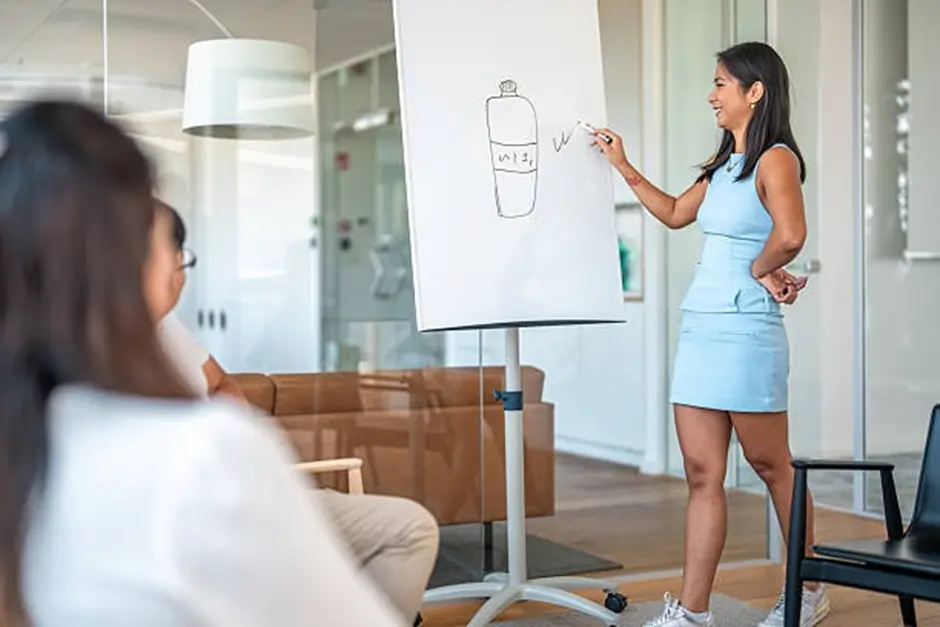
Strong teams rely on clear communication. Misunderstandings, unclear instructions, or poor listening can easily slow down collaboration and create unnecessary frustration. Communication-focused team-building games help participants practice expressing ideas clearly, listening carefully, and working together more effectively.
These activities highlight how small communication gaps can affect outcomes. At the same time, they show how teamwork improves when people share information clearly and support each other during tasks.
9. Back-to-Back Drawing
Time: 10–15 minutes
Team size: 6+ people
How to play:
Divide participants into pairs and ask them to sit back to back. Give one person a simple image such as a geometric shape, a house, or an everyday object. The other participant receives a blank sheet of paper and a pen.
The participant holding the image must describe it without naming the object directly. Their partner listens carefully and attempts to draw the image based only on the verbal instructions. When the time is over, compare the drawing with the original image.
Materials needed: Printed images, paper, pens
Desired outcome: This activity demonstrates how important clear communication and active listening are when teams work together.
10. Blindfold Navigation
Time: 10–15 minutes
Team size: 6+ people
How to play:
Create pairs of participants. One person in each pair wears a blindfold while the other partner acts as the guide. Arrange a simple path in the room using chairs, tables, or other safe obstacles.
The guide must verbally direct their blindfolded partner through the path using clear instructions. After completing the course, participants switch roles.
Materials needed: Blindfolds, simple obstacles
Desired outcome: This activity strengthens trust and highlights the importance of precise instructions and teamwork.
11. The Listening Circle
Time: 10 minutes
Team size: 5+ people
How to play:
Ask participants to sit in a circle. One person begins by sharing a short story, idea, or recent experience. When they finish speaking, the next participant must summarize what was said before adding their own comment or story.
The process continues around the circle, encouraging participants to pay close attention to each speaker.
Materials needed: None
Desired outcome: This activity improves listening skills and encourages thoughtful responses during discussions.
12. Silent Line-Up
Time: 10 minutes
Team size: 8+ people
How to play:
Ask the group to arrange themselves in a line based on a specific criterion such as birth month, years at the company, or distance traveled to work. The challenge is that participants cannot speak.
Team members must communicate using gestures, hand signals, and facial expressions to organize themselves correctly.
Materials needed: None
Desired outcome: This activity encourages creative non verbal communication and teamwork.
13. Question Ball
Time: 10 minutes
Team size: 6+ people
How to play:
Write several interesting questions on a soft ball using a marker. Questions can include prompts such as favorite travel destination, most memorable project, or a skill someone would like to learn.
Participants stand in a circle and gently toss the ball to each other. The person who catches the ball reads and answers the question closest to their right thumb. After answering, they throw the ball to another participant so the game continues.
Materials needed: Soft ball, marker
Desired outcome: This activity encourages conversation and helps team members learn more about each other. It supports open communication and builds stronger interpersonal connections.
14. Word Association Game
Time: 5–10 minutes
Team size: 5+ people
How to play:
Ask participants to sit in a circle. One person begins by saying a word related to a chosen theme such as innovation, teamwork, or success.
The next participant quickly says the first word that comes to mind related to the previous word. The chain continues around the group, creating a fast paced flow of ideas and associations.
Materials needed: None
Desired outcome: This activity encourages quick thinking and attentive listening. It also shows how ideas can connect and evolve through collaborative discussion.
15. Story Building Challenge
Time: 10–15 minutes
Team size: 5+ people
How to play:
Ask participants to sit in a circle or remain seated during a meeting. One person starts a story with a single sentence. The next participant continues the story by adding another sentence.
The story moves around the group with each participant contributing to the narrative. The storyline often becomes humorous or unexpected as new ideas are introduced.
Materials needed: None
Desired outcome: This activity encourages creativity and collaboration. It demonstrates how shared contributions can build a collective idea or story.
16. Minefield Navigation
Time: 15–20 minutes
Team size: 6+ people
How to play:
Place various objects around a room or open space to represent obstacles in a “minefield.” Divide participants into pairs. One person in each pair is blindfolded while the partner guides them through the space using only verbal instructions.
The guide must provide clear directions to help their partner avoid obstacles and safely reach the finish point. After completing the activity, participants switch roles.
Materials needed: Blindfolds, small objects to create obstacles
Desired outcome: This activity builds trust and highlights the importance of clear instructions and attentive listening during teamwork.
Problem-Solving Team Building Games
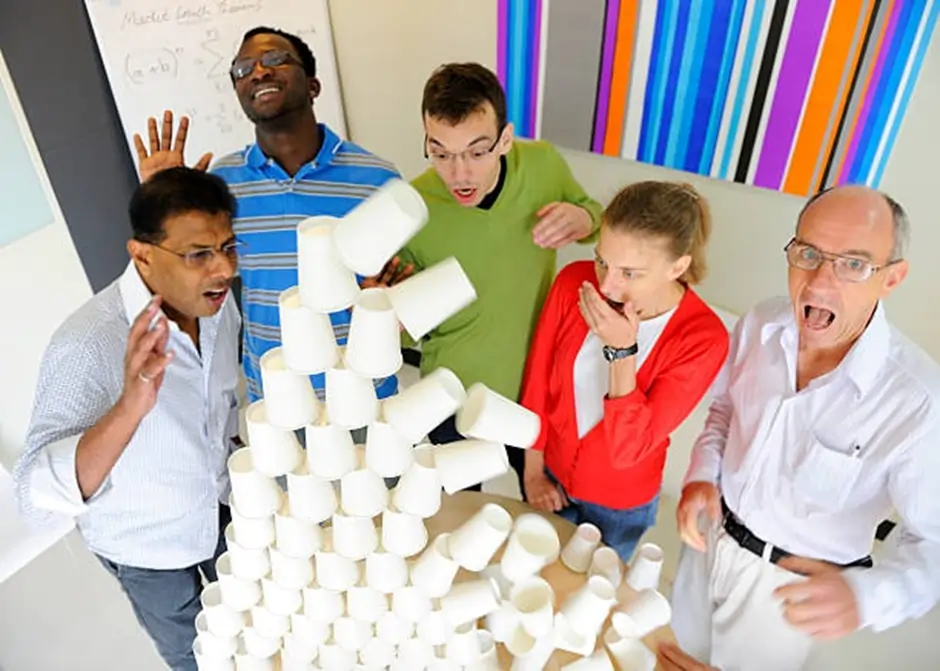
Problem solving activities challenge teams to think creatively, analyze situations, and work together to find solutions. These team building games are especially useful because they mirror real workplace scenarios where collaboration, strategy, and clear decision making are required.
When teams face a challenge together, they naturally learn how different people approach problems. Some participants focus on planning, others generate ideas, and some organize execution. These activities help teams understand each other’s strengths while practicing collaborative problem solving in a fun and engaging way.
17. The Marshmallow Challenge
Time: 18–20 minutes
Team size: 4–6 people
How to play:
Divide participants into small groups and give each team a limited set of materials such as spaghetti sticks, tape, string, and one marshmallow.
Teams must work together to build the tallest free standing structure possible within the time limit. The marshmallow must be placed on the top of the structure. At the end of the activity, measure the structures to see which team built the tallest tower.
Materials needed: Spaghetti sticks, tape, string, marshmallow
Desired outcome: This activity encourages teamwork, planning, and experimentation. It demonstrates how creative thinking and collaboration help teams solve challenges effectively.
18. Escape Room Challenge
Time: 30–45 minutes
Team size: 5–8 people
How to play:
Prepare a series of puzzles, riddles, or clues that participants must solve to “escape” a fictional scenario. This can be done in a physical room or using printed puzzle sheets.
Teams work together to solve each clue, unlock the next step, and complete the challenge before time runs out. Each solved puzzle reveals information needed for the next stage.
Materials needed: Puzzle sheets, clues, locks or envelopes
Desired outcome: This activity strengthens teamwork, logical thinking, and communication as participants collaborate to solve complex problems.
19. Puzzle Race
Time: 15–20 minutes
Team size: 4–6 people per team
How to play:
Divide participants into small teams and give each team the same jigsaw puzzle. All teams start assembling their puzzles at the same time.
Teams must communicate and organize their strategy to complete the puzzle as quickly as possible. The first team to finish their puzzle wins the challenge.
Materials needed: Identical jigsaw puzzles for each team
Desired outcome: This activity encourages teamwork, coordination, and efficient problem solving under time pressure.
20. Egg Drop Challenge
Time: 20–30 minutes
Team size: 4–6 people
How to play:
Give each team an egg and a set of materials such as paper, tape, straws, and rubber bands. Teams must design a protective structure that prevents the egg from breaking when dropped from a height.
After the design time ends, each team drops their egg from the designated height. Teams whose eggs remain intact successfully complete the challenge.
Materials needed: Eggs, paper, tape, straws, rubber bands
Desired outcome: This activity encourages creativity, planning, and teamwork. It highlights how brainstorming and testing ideas help teams solve challenges.
21. Build the Tallest Tower
Time: 15–20 minutes
Team size: 3–5 people
How to play:
Divide participants into small groups and give each team identical materials such as paper, cups, or wooden blocks.
Teams must collaborate to build the tallest possible tower within the time limit using only the provided materials. When time ends, measure the towers to determine which one is tallest and stable.
Materials needed: Paper, cups, or building blocks
Desired outcome: This activity encourages creative thinking and teamwork while demonstrating how planning and collaboration improve results.
22. Bridge Building Challenge
Time: 20–25 minutes
Team size: 4–6 people
How to play:
Divide participants into small teams and give each group identical building materials such as paper, tape, cardboard, and straws. The goal is to design and build a bridge that can support weight.
Teams must plan their design, distribute tasks among members, and construct the bridge within the time limit. Once time is up, test each bridge by placing small objects such as books or coins on top to see which structure holds the most weight.
Materials needed: Paper, tape, cardboard, straws, small weights
Desired outcome: This activity encourages teamwork, creative engineering, and strategic thinking while highlighting the importance of planning before execution.
23. Survival Scenario Game
Time: 20–30 minutes
Team size: 5–8 people
How to play:
Present the team with a fictional survival scenario, such as being stranded on a remote island or lost in the mountains. Provide a list of items that could help them survive, such as food supplies, tools, or navigation equipment.
Ask participants to work together to rank the items in order of importance for survival. After the group discussion, compare the team’s ranking with an expert recommended list or discuss the reasoning behind each decision.
Materials needed: Printed list of survival items
Desired outcome: This activity encourages critical thinking, negotiation, and collaboration while showing how teams make decisions together under pressure.
24. Minefield Navigation
Time: 15–20 minutes
Team size: 6+ people
How to play:
Create a small “minefield” by placing objects such as cones, chairs, or boxes around a room or outdoor space. Participants work in pairs. One person is blindfolded while the other partner guides them through the obstacle course using only verbal instructions.
The guide must clearly communicate directions so their partner avoids obstacles and safely reaches the finish point. After completing the challenge, participants switch roles.
Materials needed: Blindfolds, cones or small obstacles
Desired outcome: This activity builds trust between team members and highlights the importance of clear communication when solving challenges together.
Turn Corporate Events into Powerful Team Building Experiences
Many organizations organize meetings and conferences, but the most successful events go beyond presentations and schedules. With the right activities and planning, these gatherings can become powerful team development opportunities.
MICE Makers helps companies integrate interactive experiences such as team building games, collaborative challenges, and networking activities into corporate events. Their expertise in meetings, incentives, conferences, and exhibitions ensures that every event is professionally organized while creating valuable connections among team members.
Creative Team Building Games
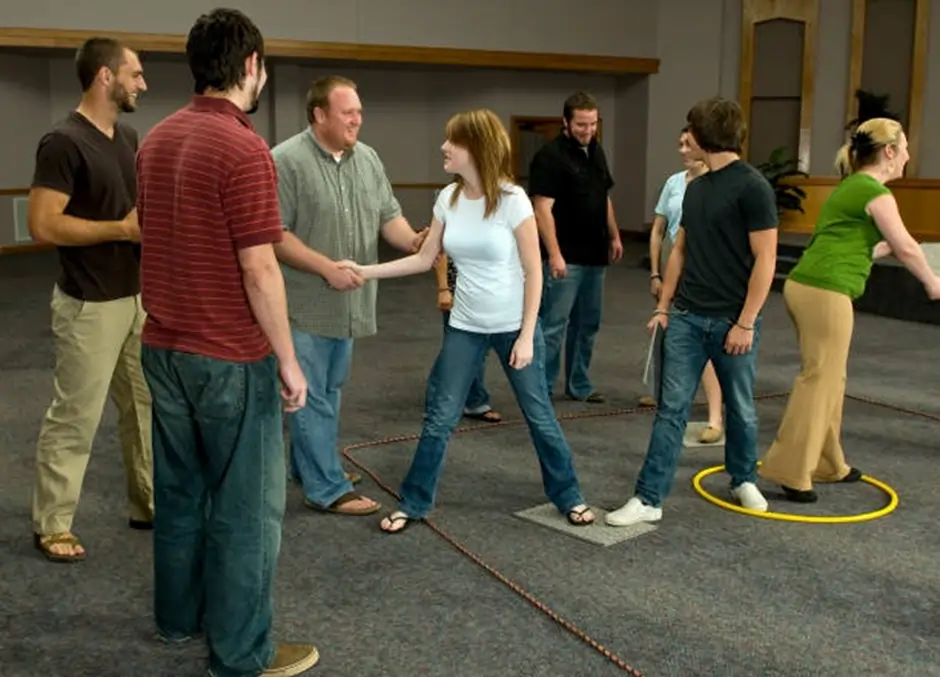
Creativity plays an important role in teamwork. When people are encouraged to think differently, share ideas, and experiment with new approaches, teams often discover better solutions and stronger collaboration. Creative team building games help participants step away from routine tasks and explore imagination, storytelling, and innovative thinking.
These activities allow team members to express their personalities while working together on a shared goal. They also help build confidence when presenting ideas and encourage colleagues to support each other’s creativity.
25. Company Talent Show
Time: 30–45 minutes
Team size: 6+ people
How to play:
Invite participants to showcase a personal talent such as singing, storytelling, magic tricks, comedy, or any creative skill they enjoy. Team members can perform individually or in small groups.
Allow a short preparation period before the performances begin. After each performance, colleagues can give positive feedback or vote for fun categories such as most creative or most entertaining act.
Materials needed: Optional microphone, small stage area
Desired outcome: This activity helps team members appreciate each other’s unique talents and personalities. It strengthens relationships and creates a supportive team atmosphere.
26. DIY Film Challenge
Time: 45–60 minutes
Team size: 4–6 people per team
How to play: Divide participants into small teams and ask them to create a short video or mini film based on a chosen theme such as teamwork, customer service, or a humorous office story.
Teams spend time planning their storyline, assigning roles, and filming their scenes using a smartphone. Once filming is complete, everyone watches the videos together and celebrates the creativity of each team.
Materials needed: Smartphones or cameras
Desired outcome: This activity encourages storytelling, collaboration, and creative thinking while helping participants work together on a shared project.
27. Photo Challenge
Time: 20–30 minutes
Team size: 4–6 people per team
How to play:
Create a list of photo prompts such as teamwork pose, creative office object, or a scene that represents innovation. Divide participants into teams and ask them to capture photos that match the prompts.
Teams must work together to interpret each prompt and take creative photos using their phones. After the activity, review the photos together and discuss the ideas behind them.
Materials needed: Smartphones, list of prompts
Desired outcome: This activity promotes creativity and teamwork while encouraging participants to think visually and collaborate on ideas.
28. Build a Brand Game
Time: 30 minutes
Team size: 4–6 people
How to play:
Divide participants into small teams and ask each group to create a fictional company or product. Teams must develop a brand name, logo concept, slogan, and short product description.
After the brainstorming period, each team presents their brand idea to the group. Participants can vote for the most creative or convincing concept.
Materials needed: Paper, markers
Desired outcome: This activity encourages creativity, brainstorming, and collaborative thinking while allowing teams to practice presenting ideas.
29. Storytelling Chain
Time: 15–20 minutes
Team size: 5+ people
How to play:
Participants sit in a circle or remain in their meeting seats. One person begins a story with a short opening sentence. The next participant continues the story with another sentence, and the narrative moves around the group.
The story grows as each participant adds a new element, often leading to unexpected twists and humorous outcomes.
Materials needed: None
Desired outcome: This activity encourages creativity and active listening while demonstrating how collaborative ideas can build a shared story.
30. Product Pitch Game
Time: 20–25 minutes
Team size: 4–6 people
How to play:
Divide participants into small teams and give each group a random everyday object such as a mug, pen, paperclip, or notebook. The challenge is to transform the object into a completely new product idea.
Teams must brainstorm a creative use for the object, develop a short product concept, and prepare a quick sales pitch. After the preparation time, each team presents their product to the group as if they were pitching it to potential investors or customers.
Materials needed: Random everyday objects, paper, markers
Desired outcome: This activity encourages creative thinking, teamwork, and presentation skills. It helps participants practice turning simple ideas into innovative concepts.
31. Improvisation Game
Time: 15–20 minutes
Team size: 5+ people
How to play:
Ask participants to form small groups or stand in a circle. One person begins with a simple scene or situation such as a customer service conversation or a workplace scenario.
Other participants join the scene one by one, adding new dialogue or actions without prior planning. The goal is to continue the story naturally while adapting to unexpected ideas introduced by teammates.
Materials needed: None
Desired outcome: This activity encourages creativity, quick thinking, and confidence. It also helps team members practice supporting each other’s ideas and adapting to changing situations.
Indoor Office Team Building Games

Not every team building activity requires a large space or outdoor environment. Many team building games can be organized easily inside an office, meeting room, or conference space. Indoor activities are especially useful for quick team sessions, training workshops, or regular team meetings.
These games help energize the workplace, encourage interaction between colleagues, and create a positive environment without requiring extensive preparation.
32. Office Trivia
Time: 15–20 minutes
Team size: 6+ people
How to play:
Prepare a set of trivia questions related to the company, industry knowledge, or general topics such as history, technology, or pop culture. Divide participants into small teams.
Ask each question and allow teams a short time to discuss and submit their answers. Keep score throughout the game and announce the team with the highest score at the end.
Materials needed: Prepared trivia questions, paper, pens
Desired outcome: This activity encourages teamwork and friendly competition while helping participants share knowledge and learn new information.
33. Paper Airplane Contest
Time: 15 minutes
Team size: 5+ people
How to play: Give each participant a sheet of paper and ask them to design and fold a paper airplane. Allow a few minutes for experimentation and creative design.
Once the planes are ready, participants launch them from the same starting point. The winner can be determined by the longest distance flown or the longest time in the air.
Materials needed: Paper
Desired outcome: This activity encourages creativity and light competition while giving participants a short break from regular work tasks.
34. Office Scavenger Hunt
Time: 20–30 minutes
Team size: 4–6 people per team
How to play:
Prepare a list of items or clues related to the office environment. These can include objects such as a company logo, a specific office supply, or a hidden clue placed in different areas of the workspace.
Divide participants into small teams and give each team the same list. Teams must search the office and collect the items or complete the clues within the time limit. The first team to find all the items or complete the list wins.
Materials needed: List of items or clues, small prizes (optional)
Desired outcome: This activity encourages teamwork, problem solving, and exploration of the workplace while creating an energetic and collaborative environment.
35. Board Game Tournament
Time: 30–45 minutes
Team size: 6+ people
How to play:
Choose a few simple board games that can be played in small groups, such as strategy or puzzle based games. Divide participants into teams or pairs and assign each group a board game.
Teams compete against each other while rotating through different games or rounds. Keep track of scores and recognize the winning team at the end of the tournament.
Materials needed: Board games
Desired outcome: This activity promotes strategic thinking, friendly competition, and collaboration as team members work together during the games.
Time: 20 minutes
Team size: 4–6 people
How to play:
Divide participants into small teams and give each team a set of building blocks such as Lego pieces. Provide a challenge theme such as building a future office, a bridge, or a creative structure.
Teams work together to design and build their structure within the time limit. After the building period, each team presents their creation and explains the idea behind it.
Materials needed: Lego blocks or similar building materials
Desired outcome: This activity encourages creativity, teamwork, and collaboration while allowing participants to express ideas through hands-on building.
37. Compliment Circle
Time: 10–15 minutes
Team size: 5+ people
How to play:
Ask participants to sit or stand in a circle. One person begins by giving a genuine compliment or positive observation about the colleague sitting next to them.
The next person then gives a compliment to the following participant, and the process continues until everyone has received and given a compliment.
Materials needed: None
Desired outcome: This activity helps create a supportive team culture and encourages participants to recognize the strengths and contributions of their colleagues.
38. Office Bingo
Time: 15–20 minutes
Team size: 6+ people
How to play:
Create bingo cards filled with common workplace experiences or actions such as “sent an email today,” “attended a meeting,” or “drank coffee.”
Participants move around the room and talk with colleagues to find people who match each description and mark the corresponding square on their bingo card. The first person to complete a row or the entire card wins.
Materials needed: Printed bingo cards, pens
Desired outcome: This activity encourages interaction between colleagues and helps participants connect with people they may not usually work with.
Outdoor Team Building Games

Outdoor activities bring energy and movement into team experiences. These team building games encourage participants to step away from their desks, enjoy fresh air, and work together in a more dynamic environment. Outdoor challenges often combine physical activity with collaboration, which helps strengthen trust and teamwork.
These activities are ideal for company retreats, team outings, or team building days where participants can engage in fun challenges while improving communication and cooperation.
39. Amazing Race Challenge
Time: 45–60 minutes
Team size: 4–6 people per team
How to play:
Create a series of checkpoints around a park, office campus, or outdoor space. Each checkpoint includes a small challenge such as solving a riddle, completing a task, or answering a question.
Divide participants into teams and provide them with the first clue. Teams must travel between checkpoints, complete the tasks, and collect the next clue until they reach the final destination.
Materials needed: Clue cards, challenge instructions
Desired outcome: This activity encourages teamwork, strategic thinking, and communication as teams collaborate to complete multiple challenges.
40. Field Day Games
Time: 45–60 minutes
Team size: 8+ people
How to play:
Organize a series of simple outdoor games such as sack races, relay races, or ball toss competitions. Divide participants into teams and assign points for each activity.
Teams rotate through different challenges and collect points throughout the event. At the end, calculate the total scores and recognize the winning team.
Materials needed: Cones, balls, sacks, or other simple sports equipment
Desired outcome: This activity promotes teamwork, friendly competition, and physical activity while creating a fun and energetic team experience.
41. Tug of War
Time: 10–15 minutes
Team size: 8+ people
How to play:
Divide participants into two equal teams. Mark a center line on the ground and give both teams a long rope.
Each team pulls on the rope in opposite directions, trying to move the opposing team across the center line. The team that pulls the rope the farthest wins the round.
Materials needed: Strong rope, ground marker
Desired outcome: This activity encourages teamwork and coordination while creating a lively and competitive atmosphere.
42. Outdoor Scavenger Hunt
Time: 30–45 minutes
Team size: 4–6 people per team
How to play:
Prepare a list of outdoor items, landmarks, or challenges that teams must locate or complete within a designated area. Examples might include finding a specific tree, taking a photo at a landmark, or solving a clue hidden nearby.
Teams work together to search for the items and complete the list as quickly as possible.
Materials needed: Printed scavenger hunt lists, smartphones for photos
Desired outcome: This activity encourages teamwork, exploration, and problem solving while creating an engaging outdoor experience.
43. Capture the Flag
Time: 30–40 minutes
Team size: 10+ people
How to play:
Divide participants into two teams and assign each team a territory. Each team hides a flag within their area.
The objective is to capture the opposing team’s flag and bring it back to your own territory without being tagged by opponents. Team members must coordinate strategies for both offense and defense.
Materials needed: Two flags or similar markers
Desired outcome: This activity strengthens teamwork, strategy, and communication while encouraging active participation.
44. Obstacle Course Challenge
Time: 20–30 minutes
Team size: 6+ people
How to play:
Set up an obstacle course using cones, ropes, tires, or other available equipment. Participants can complete the course individually or as part of a relay team.
Teams must navigate the obstacles as quickly and safely as possible. The fastest team to complete the course wins.
Materials needed: Cones, ropes, tires, or similar equipment
Desired outcome: This activity promotes teamwork, coordination, and determination while encouraging participants to support each other during physical challenges.
Virtual Team Building Games

Many teams now collaborate across different locations, making virtual interaction a normal part of work. In these situations, team building games designed for online environments help maintain connection and engagement among colleagues. These activities are simple to organize using video conferencing platforms and encourage conversation even when participants are not physically together.
Virtual team building games help remote employees feel included, reduce isolation, and strengthen communication within distributed teams.
45. Online Trivia Challenge
Time: 20–30 minutes
Team size: 5+ people
How to play:
Prepare a set of trivia questions covering topics such as general knowledge, company facts, history, or popular culture. Divide participants into small teams using breakout rooms if you are using a video conferencing platform.
Ask each question and allow teams a short time to discuss their answers before submitting them. Keep track of the scores and announce the winning team at the end.
Materials needed: Prepared trivia questions, video conferencing platform
Desired outcome: This activity encourages teamwork and friendly competition while keeping remote teams engaged in a collaborative challenge.
46. Virtual Escape Room
Time: 30–45 minutes
Team size: 4–6 people per team
How to play: Provide participants with a digital escape room challenge that includes puzzles, riddles, and clues that must be solved online. Teams work together in breakout rooms to analyze clues and solve the puzzles within the time limit.
Each solved puzzle unlocks the next stage of the challenge. Teams must collaborate and communicate clearly to progress through the game.
Materials needed: Online escape room platform or puzzle documents
Desired outcome: This activity strengthens teamwork, communication, and logical thinking while keeping remote participants actively involved.
47. Online Bingo
Time: 15–20 minutes
Team size: 5+ people
How to play:
Create digital bingo cards filled with common work related actions or experiences such as “attended a meeting today,” “sent an email,” or “drank coffee.”
Participants interact with colleagues during the session and mark the squares that match their experiences. The first participant to complete a row or full card announces bingo.
Materials needed: Digital bingo cards
Desired outcome: This activity encourages interaction and conversation among remote colleagues while keeping the session light and engaging.
48. Guess the Workspace
Time: 10–15 minutes
Team size: 5+ people
How to play:
Before the session, ask participants to send a photo of their workspace. During the activity, display each photo one by one without revealing the owner.
Team members try to guess which colleague the workspace belongs to. After a few guesses, reveal the owner and invite them to briefly describe their setup.
Materials needed: Workspace photos, video conferencing platform
Desired outcome: This activity helps remote teams learn more about each other’s work environments and creates a relaxed conversation during virtual meetings.
49. Virtual Coffee Roulette
Time: 15–20 minutes
Team size: 4+ people
How to play:
Randomly pair participants using a virtual meeting tool. Each pair joins a short video call where they chat about a suggested topic such as hobbies, recent projects, or weekend plans.
After several minutes, participants rotate to meet another colleague for a new conversation.
Materials needed: Video conferencing platform
Desired outcome: This activity encourages informal conversations and helps remote employees build stronger personal connections across teams.
Strategic and Leadership Team Building Games

Some team building games focus on deeper thinking, leadership, and decision making. These activities challenge participants to analyze situations, create strategies, and collaborate toward long term goals. They are particularly useful for leadership workshops or advanced team development sessions.
50. Business Simulation Game
Time: 45–60 minutes
Team size: 4–6 people per team
How to play:
Present participants with a fictional business scenario, such as launching a new product or managing a company during a crisis. Each team receives background information, objectives, and limited resources.
Teams must discuss their strategy, allocate resources, and make key decisions to achieve the best outcome. After the planning phase, each team presents its strategy and explains the reasoning behind its choices.
Materials needed: Scenario descriptions, worksheets, pens
Desired outcome: This activity strengthens strategic thinking, leadership skills, and collaborative decision making while helping participants understand different perspectives within a team.
Tips for Running Successful Team Building Games
Organizing team building games can be simple, but a few thoughtful steps can make the experience far more effective. When activities are planned carefully, they help teams connect naturally and enjoy the process rather than feeling like they are participating in a forced exercise.
First, keep the instructions clear and simple. Participants should understand the goal of the activity quickly so they can focus on enjoying the experience rather than trying to understand complicated rules. Short explanations and easy setups make activities run smoothly.
Second, choose activities that match the size and personality of the team. Some groups prefer energetic challenges, while others enjoy creative or discussion based activities. Selecting games that suit the team helps everyone feel comfortable participating.
It is also helpful to encourage participation without forcing anyone into uncomfortable situations. Some team members may prefer observing at first before actively joining in. Allowing flexibility helps maintain a positive atmosphere.
Finally, take a few minutes after the activity to reflect. Ask participants what they enjoyed or what they learned during the activity. These short discussions help teams connect the experience with real workplace collaboration.
Common Mistakes to Avoid When Planning Team Building Games
Even well intentioned activities can lose their impact if they are not planned carefully. Avoiding a few common mistakes can ensure that team building games remain enjoyable and beneficial.
One common mistake is choosing activities that are too complicated or time consuming. When instructions are confusing or preparation takes too long, participants may lose interest. Simple and engaging activities often work best.
Another mistake is ignoring the team’s preferences or comfort levels. Some participants may enjoy competitive games, while others prefer creative or collaborative activities. Balancing different styles helps ensure everyone feels included.
Lack of clear timing can also affect the experience. Activities should have a defined duration so they fit smoothly into meetings or events without disrupting schedules.
Finally, it is important not to treat these activities as isolated events. When team building games are integrated into regular meetings, workshops, or company retreats, they contribute more effectively to team development.
Create Impactful Corporate Retreats and Team Building Events
Team building activities are most effective when they are part of a well planned corporate event. MICE Makers works with organizations to design retreats, workshops, and incentive programs that strengthen relationships and improve collaboration.
From destination planning and logistics management to creative team engagement activities, their services help companies host events that employees genuinely enjoy. Whether you are organizing a small leadership gathering or a large corporate conference, their team ensures that every event supports stronger teamwork and meaningful professional connections.
Frequently Asked Questions About Team Building Games
Team building games are structured activities designed to encourage collaboration, communication, and interaction among team members. These games help colleagues develop stronger relationships while improving teamwork and problem solving skills.
Most activities can be completed within 10 to 30 minutes, depending on the complexity of the challenge and the size of the group. Short activities are often effective for meetings, while longer sessions may be suitable for workshops or retreats.
Yes, many team building games can be adapted for virtual environments. Activities such as online trivia, virtual escape rooms, and discussion based games help remote teams maintain communication and engagement.
Organizations often introduce these activities during team meetings, onboarding sessions, or company events. Even occasional activities can help strengthen team relationships and improve workplace communication.
Many organizations use team building activities to encourage collaboration and communication. When activities are designed thoughtfully, they can help team members understand each other better and work together more effectively.
Conclusion
Strong collaboration does not happen automatically. Teams perform better when colleagues trust each other, communicate openly, and feel comfortable sharing ideas. Thoughtfully chosen team building games help create these connections in a simple and enjoyable way.
The activities in this guide offer a wide variety of options, from quick icebreakers and creative challenges to outdoor activities and virtual experiences for remote teams. By introducing these games during meetings, workshops, or team events, organizations can create a more engaging and supportive workplace where people enjoy working together.