

Incentive travel planning is the process of designing and delivering a company-sponsored travel experience that rewards achievement, motivates future performance, strengthens relationships, and creates lasting value for participants.
Unlike a standard company holiday, an incentive trip should be connected to a clear business objective. It may recognize high-performing employees, reward sales teams, strengthen dealer relationships, engage strategic partners, celebrate long-term service, or support leadership development.
The experience must also be managed as a corporate program. This means controlling qualification criteria, internal approvals, budgets, participant information, accommodation, transportation, activities, safety, communication, branding, and post-program reporting.
This guide explains how companies can move from the initial business objective to destination selection, itinerary design, supplier coordination, on-site delivery, and performance measurement.
For a broader overview of corporate meetings, events, conferences, and group programs, read the MICE Services Guide for Corporate Buyers .
Planning an employee, sales, dealer, or partner reward trip?
Share your program objective, destination preferences, travel dates, participant profile, hotel needs, activities, meals, transportation, awards, branding, VIP requirements, and budget.
Quick Answer: How Does Incentive Travel Planning Work?
A successful corporate incentive trip usually follows these steps:
The destination should not be selected only because it is popular or visually attractive. It should suit the objective, participant profile, budget, travel time, safety requirements, activity expectations, and desired reward value.
What Is Incentive Travel?
Incentive travel is a company-funded or company-supported travel experience offered as a reward for achievement, performance, loyalty, or contribution.
Participants may include:
The trip may include flights, accommodation, meals, destination experiences, private activities, awards, executive engagement, gifts, and special events.
What Creates Strong Reward Value?
- Private or priority venue access
- Premium dining experiences
- Curated cultural activities
- Exclusive destination experiences
- Personalized recognition
- Leadership interaction
- Thoughtful gifts and room amenities
- Seamless destination management
Incentive Travel Compared With Other Corporate Programs
Business Travel
Business travel is usually required for work, meetings, training, or client visits. An incentive trip is primarily offered as a reward.
Corporate Retreat
A retreat may focus on strategy, leadership development, or team alignment. A reward trip places greater emphasis on recognition and participant experience.
Conference
A conference is mainly designed around content, education, networking, or business communication.
Team Building
Team building focuses on collaboration and group performance. It may be one element of a wider reward itinerary.
Leisure Group Travel
Leisure travel is arranged mainly for enjoyment and normally does not include qualification rules, business objectives, or corporate reporting.
Corporate Incentive Travel
Corporate incentive travel combines reward experiences with measurable objectives, internal approvals, duty of care, group logistics, and performance evaluation.
Why Companies Use Incentive Travel
Travel can feel more meaningful than a standard cash reward because it creates memories, social recognition, shared experiences, and emotional connection.
However, the experience must remain relevant to the audience. A program for young sales employees may differ significantly from one designed for senior executives, international distributors, or long-serving employees.
1. Define the Incentive Program Objective
Start by defining what the company wants the program to achieve.
Questions to Answer
- What performance is being rewarded?
- Who is eligible?
- Is the trip a reward, a motivation campaign, or both?
- What should participants feel during the program?
- What should participants do differently afterward?
- Will company leaders participate?
- Should the trip strengthen internal or external relationships?
- What business result is expected?
- How will success be measured?
Example Objectives
Performance Recognition
- Reward the top regional sales employees
- Recognize high-performing dealer partners
- Celebrate long-term employee service
- Reward successful project teams
Future Motivation
- Increase sales in a product category
- Improve dealer engagement
- Retain high-performing managers
- Motivate teams during a growth period
2. Set Participant Qualification Criteria
Qualification rules should be clear, measurable, documented, and approved before the program is announced.
Qualification Period
- Start and end dates
- Reporting process
- Performance data source
- Verification method
- Final approval date
- Announcement date
Tie-Breaking Rules
- Highest growth percentage
- Highest total revenue
- Best customer score
- Earliest achievement date
- Additional performance criteria
- Management review
Guest or Spouse Policy
- Whether guests are permitted
- Which costs are covered
- Guest registration requirements
- Room-sharing arrangements
- Participation restrictions
- Personal payment process
Replacement and Cancellation
- Participant resignation
- Medical cancellation
- Passport or visa problems
- Guest cancellation
- Policy breach
- Replacement approval
3. Determine the Group Profile
The participant profile affects destination selection, activities, accommodation, dining, transportation, staffing, and communication.
Why the Group Profile Matters
A physically demanding program may not suit every participant. A destination with difficult visa requirements may reduce attendance, while a resort itinerary may not suit a group expecting city experiences, culture, dining, or nightlife.
4. Set the Incentive Travel Budget
A realistic budget should cover the complete participant journey, not only flights and hotel rooms.
| Budget Category | Typical Requirements |
|---|---|
| Flights | International and domestic tickets, baggage, seat selection, taxes, and changes |
| Accommodation | Rooms, breakfast, taxes, upgrades, porterage, early arrival, and late departure |
| Transportation | Airport transfers, coaches, boats, ferries, activity transfers, and VIP vehicles |
| Activities | Tours, private access, team experiences, equipment, guides, and backup options |
| Meals | Breakfast, lunch, dinner, receptions, gala events, beverages, and dietary meals |
| Production | Awards, stage, sound, lighting, screens, entertainment, and rehearsals |
| Staffing | Program managers, guides, airport coordinators, transport staff, and hotel support |
| Gifts | Welcome packs, room drops, awards, luggage tags, and personalized items |
| Branding | Signage, digital itinerary, transport branding, menus, and participant materials |
| Insurance | Travel, activity, medical, cancellation, and event coverage |
| Contingency | Delays, replacements, cancellations, additional transport, and emergencies |
A complete budget should also show:
Incentive travel planning becomes more accurate when the company provides a realistic budget range before destinations and experiences are proposed.
The Corporate Event Cost Calculator can help internal teams identify commonly overlooked cost categories.
5. Choose the Right Destination
The destination should support the program objective, participant profile, available budget, desired program style, and duty-of-care requirements.
Reward Value
Reward value can come from a destination participants have not visited, premium accommodation, private experiences, thoughtful recognition, destination-specific activities, and smooth professional delivery.
A costly destination does not automatically create a stronger program. Personalization, relevance, pacing, and service quality often have a greater impact.
6. Incentive Travel in Singapore
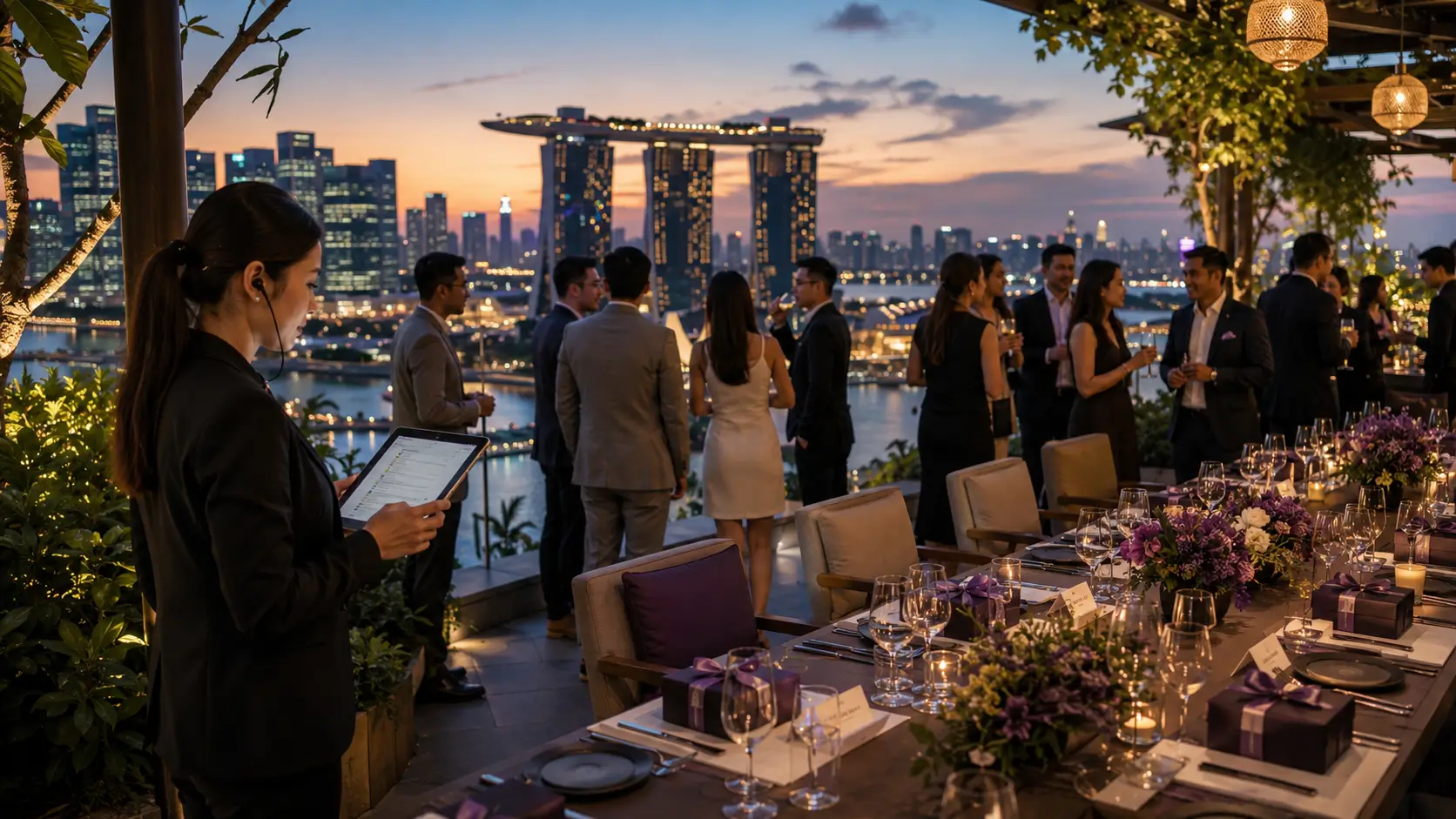
Singapore can support premium urban reward programs, regional leadership trips, partner incentives, sales recognition events, and shorter multi-day experiences.
Possible Program Elements
- Premium city hotels
- Marina and skyline experiences
- Private dining
- Cultural districts
- Gardens and attractions
- Sentosa activities
- Harbour experiences
- Corporate team challenges
Why Singapore May Suit a Group
- Compact city program
- Efficient group movement
- Premium urban experiences
- Strong regional access
- Modern hotels and venues
- International dining
- Business-friendly infrastructure
- Meetings and leisure combinations
Example Singapore Program Style
Day 1
Airport arrival, hotel check-in, welcome reception, and private group dinner.
Day 2
Signature city experience, hosted lunch, free time, and an evening harbour program.
Day 3
Team activity, leadership interaction, awards dinner, and entertainment.
Day 4
Optional experience, personal time, shopping, and organized departure transfers.
For local planning and supplier coordination, review destination management in Singapore .
7. Incentive Travel in Malaysia
Malaysia offers urban, resort, cultural, island, nature, culinary, and adventure formats across several destinations.
Kuala Lumpur
- Regional sales incentives
- Urban reward trips
- Dealer meetings
- Leadership programs
- Shopping and dining
- Awards events
Langkawi
- Resort programs
- Leadership retreats
- Beach experiences
- Island activities
- Nature programs
- Private dinners
Penang
- Cultural programs
- Culinary experiences
- Heritage itineraries
- Creative activities
- Boutique accommodation
- Regional travel
Malacca
- Heritage experiences
- Short cultural extensions
- Corporate dining
- Leadership groups
- Regional road programs
- Historic venues
Kota Kinabalu
- Nature incentives
- Resort programs
- Island experiences
- Adventure activities
- Premium dining
- Relaxed recognition trips
Combined Programs
- City and resort combinations
- Pre-event extensions
- Post-event extensions
- Cultural and nature programs
- Multiple hotel categories
- Different budget levels
For destination and supplier support, review destination management in Malaysia .
8. Singapore or Malaysia: Which Destination Is Better?
The right choice depends on the group, budget, program length, departure markets, and desired experience.
| Evaluation Area | Singapore | Malaysia |
|---|---|---|
| Travel access | Strong international and regional connectivity | Strong regional connectivity with several destination choices |
| Program style | Premium urban, modern, and compact | Urban, resort, cultural, island, and nature |
| Budget flexibility | Generally suited to premium city programs | Wider range of accommodation and activity options |
| Group movement | Compact and efficient | Depends on the selected city, resort, or island |
| Activity variety | City experiences, attractions, dining, and Sentosa | City, island, culture, nature, adventure, and resorts |
| Multi-destination options | More limited domestic movement | Several domestic destination combinations |
| Typical program style | Shorter, high-impact city experiences | Short urban trips or longer resort and nature programs |
Singapore may be more suitable for a compact premium city program. Malaysia may be more suitable when the company wants destination variety, resort options, nature, culture, or different budget levels.
A combined Singapore and Malaysia itinerary may suit longer programs, but additional travel time, border procedures, baggage movement, and transport coordination must be considered.
9. Select the Right Travel Dates
Allow Participants Enough Notice
Participants may need time to:
- Renew passports
- Apply for visas
- Arrange personal leave
- Confirm guest participation
- Submit medical information
- Plan family responsibilities
- Obtain management approval
- Arrange travel to the departure airport
10. Build the Incentive Travel Itinerary
An effective itinerary balances reward, destination discovery, interaction, recognition, and rest.
Avoid an Overloaded Itinerary
Excessive scheduling can make a reward trip feel tiring, controlled, and similar to a business conference.
Allow Recovery Time
Include time after flights, before dinners, between activities, and during hotel check-in.
Balance Group and Personal Time
Combine shared experiences with optional activities, personal exploration, shopping, or resort time.
Build Operational Flexibility
Allow for delayed transfers, weather changes, participant movement, and last-minute adjustments.
11. Accommodation Checklist
The hotel is a major part of the reward experience and should be evaluated for more than room price.
Rooming-List Management
The rooming list should include:
One person or team should control all rooming-list changes to prevent duplicate instructions, missing reservations, and billing disputes.
12. Transportation and Movement Planning
Airport Movements
- Flight tracking
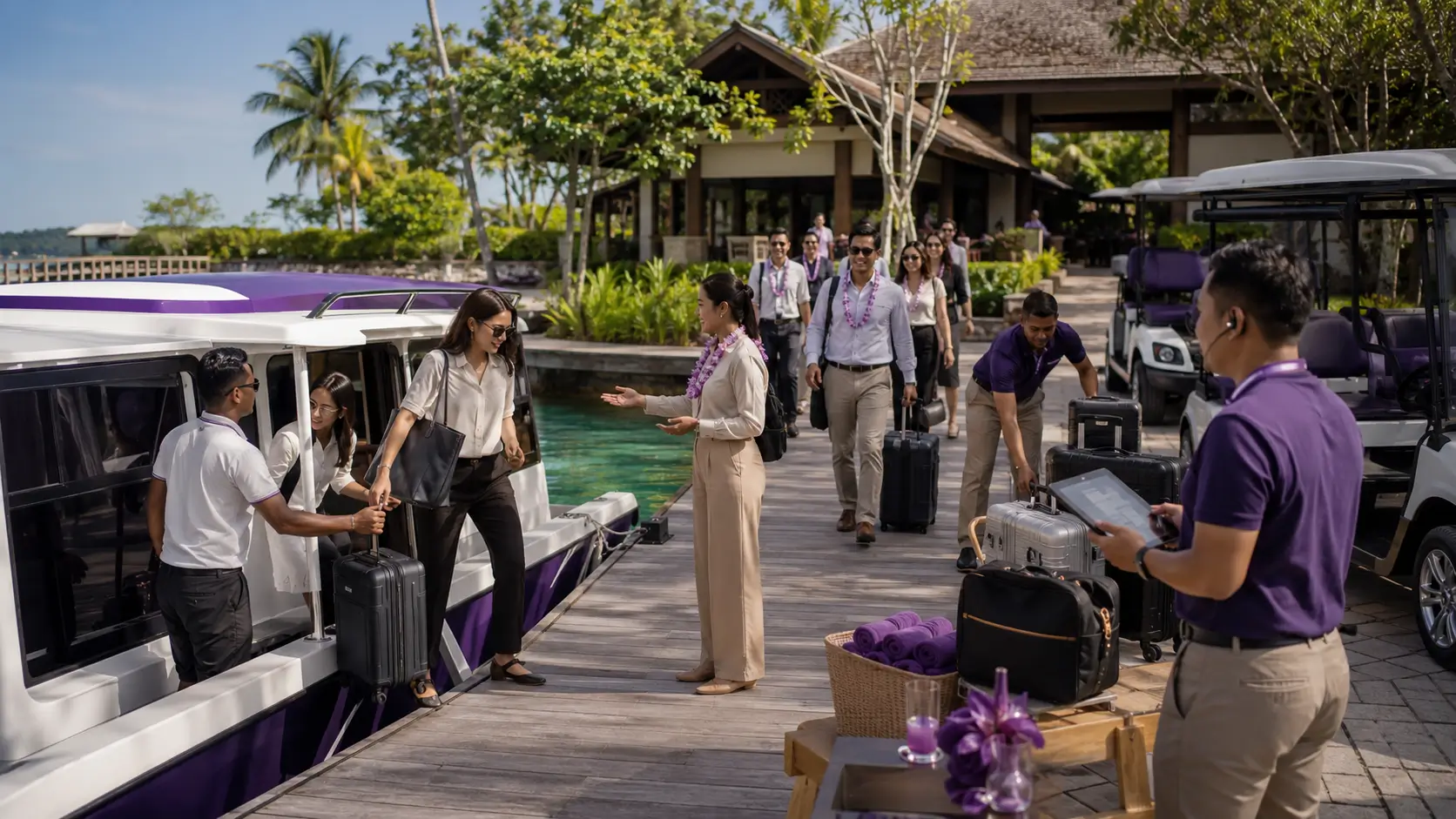
- Meet-and-greet
- Arrival transfers
- Departure transfers
- Delayed-flight support
- VIP arrivals
Program Movements
- Group coaches
- Activity transfers
- Dinner transfers
- Boats or ferries
- Luggage vehicles
- VIP vehicles
Master Movement Schedule
13. Choose Activities and Experiences
Activities should be evaluated for reward value, operational suitability, participant comfort, and safety.
Possible Activity Formats
Culture and Food
- Private cultural tours
- Culinary programs
- Creative workshops
- Heritage experiences
Nature and Adventure
- Island programs
- Nature activities
- Adventure experiences
- Wellness programs
Corporate Experiences
- Team challenges
- Private attraction access
- Leadership activities
- Community engagement
Explore team building activities in Singapore and team building activities in Malaysia .
14. Dining and Special Events
Possible Dining Experiences
- Welcome dinner
- Local culinary experience
- Private restaurant dinner
- Rooftop dinner
- Resort or beach dinner
- Farewell reception
Dining Requirements
- Group size and seating style
- Menu and beverage package
- Halal and dietary needs
- Entertainment and speeches
- Photography
- Transport and weather backup
Gala and Recognition Dinner
15. Recognition and Awards
Recognition should feel genuine, personalized, and clearly connected to participant achievement.
Personalization Ideas
- Individual congratulatory messages
- Personalized room gifts
- Custom awards
- Leadership notes
- Participant achievement stories
- Short recognition videos
16. Participant Communication
Participants should receive clear, timely, secure, and consistent information throughout the program.
Final Joining Instructions
- Departure airport and meeting point
- Flight details
- Meeting time
- Baggage allowance
- Airport contact
- Arrival procedure
- Hotel details
- Daily itinerary
- Dress code and weather
- Currency guidance
- Emergency numbers
- Insurance information
17. Branding and Personalization
Keep Branding Premium
Branding should feel useful, elegant, consistent, participant-focused, and appropriate for the destination. Overbranding every object or activity can reduce the premium feel of the trip.
18. Health, Safety, and Duty of Care
Medical Information
Collect only the information required to support the participant safely and confirm who is authorized to access it.
- Serious allergies
- Accessibility needs
- Emergency medication
- Mobility restrictions
- Medical dietary needs
- Emergency contact
- Insurance details
19. Risk and Contingency Planning
Travel Risks
- Flight delay
- Flight cancellation
- Missed connection
- Lost luggage
- Passport issue
- Visa problem
Destination Risks
- Bad weather
- Activity cancellation
- Transport delay
- Road or ferry disruption
- Medical incident
- Security issue
Supplier Risks
- Hotel issue
- Vehicle breakdown
- Guide cancellation
- Restaurant closure
- Equipment failure
- Staffing shortage
Document the Response to Each Major Risk
20. On-Site Incentive Travel Management
A multi-day corporate travel program needs clear on-site ownership and defined reporting lines.
Daily Staff Briefing
- Participant numbers
- VIP movements
- Flight updates
- Weather
- Transport schedules
- Hotel issues
- Dietary requests
- Activity requirements
- Medical concerns
- Supplier contacts
- Program changes
- Emergency procedures
Hospitality Desk
A hotel-based hospitality desk may support:
21. Measure Incentive Travel Results
A reward program should be evaluated against its original business objective, participant experience, and financial performance.
Participant Feedback
- Destination
- Hotel
- Activities
- Meals
- Transportation
- Communication
- Recognition
- Free time
Business Review
- Did the program motivate performance?
- Were qualification rules effective?
- Did leaders engage with participants?
- Did the destination suit the audience?
- Was the budget justified?
- Which suppliers performed well?
22. Common Incentive Trip Planning Mistakes
Avoid These Common Problems
- Choosing the destination before defining the objective
- Overloading the itinerary
- Ignoring participant demographics
- Providing insufficient free time
- Weak participant communication
- Missing dietary and accessibility needs
- Using unrealistic transportation timing
- Having no weather backup
- Arranging inadequate insurance
- Losing control of rooming-list versions
- Underestimating on-site staffing
- Focusing only on luxury
- Skipping post-program measurement
Choosing the Destination Too Early
A destination may be attractive but unsuitable for the participant profile, budget, travel time, visa requirements, or intended business result.
Overloading the Program
Too many activities can make a reward trip feel tiring and reduce time for personal interaction, rest, and independent exploration.
Focusing Only on Luxury
A memorable program depends on relevance, personalization, service, pacing, and professional delivery, not only expensive hotels or meals.
23. Incentive Travel Planning Timeline
The required lead time depends on destination, group size, flights, hotels, visa requirements, activities, internal approvals, and participant departure markets.
9 to 12 Months Before
- Confirm the business objective
- Set qualification rules
- Estimate participant numbers
- Approve the initial budget
- Shortlist destinations
- Review visa requirements
- Request agency proposals
- Check hotel and flight availability
6 to 9 Months Before
- Select the destination
- Appoint the agency
- Confirm hotels
- Reserve group flights
- Develop the itinerary
- Confirm major activities
- Prepare the communication plan
- Review insurance requirements
3 to 6 Months Before
- Confirm restaurants and special events
- Appoint transportation suppliers
- Begin participant registration
- Collect passport information
- Review visa applications
- Confirm branding
- Plan gifts and awards
- Develop the risk register
1 to 3 Months Before
- Finalize rooming lists
- Confirm flight manifests
- Complete transport schedules
- Prepare participant packs
- Confirm dietary requirements
- Finalize activity participation
- Conduct supplier briefings
- Review emergency procedures
Final Weeks
- Reconfirm flights
- Issue the final itinerary
- Check passport and visa status
- Confirm hotel rooms
- Reconfirm vehicle schedules
- Complete weather backup plans
- Brief on-site staff
- Distribute emergency contacts
After the Program
- Collect participant feedback
- Reconcile costs
- Review suppliers
- Measure business outcomes
- Prepare a management report
- Record lessons learned
- Store final travel documents
- Identify future improvements
24. When to Hire an Incentive Travel Agency
External support becomes particularly useful when the program includes:
Before appointing a partner, read How to Choose a MICE Agency in Singapore or Malaysia .
A suitable agency should explain:
- Destination recommendations
- Service scope
- Budget assumptions
- Supplier selection
- Staffing and communication
- Risk planning
- Emergency support
- Reporting
- Management fees
- Exclusions
How MiceMakers Supports Incentive Travel
MiceMakers can support companies with complete or partial management of employee rewards, sales incentives, dealer programs, partner trips, leadership experiences, and corporate retreats.
The service scope can be adjusted according to the company’s internal resources. Some companies require complete management from destination selection to final reporting, while others need support only with hotels, transportation, activities, dining, or on-site delivery.
MiceMakers also provides event management services in Singapore and event management services in Malaysia .
Plan an incentive travel program with MiceMakers
Share your objective, destination preferences, dates, participant numbers, departure markets, hotels, activities, meals, transport, branding, awards, VIP needs, and budget.
Final Thoughts
Incentive travel planning should begin with the business objective, not the destination.
The company should first define who qualifies, what performance is being recognized, what participants should experience, and which business outcome the program should support.
The destination, hotel, activities, meals, transportation, recognition, branding, and communication should then be designed around those priorities.
A successful corporate incentive trip feels rewarding to participants while remaining structured, safe, measurable, and financially controlled for the company.
The most effective trips are not necessarily those with the busiest itineraries or highest spending. They are the programs that feel thoughtful, relevant, well-paced, personalized, and professionally managed from qualification to post-trip reporting.
Ready to create a corporate reward experience?
Submit your program requirements and begin developing a structured incentive trip for Singapore or Malaysia.
FAQs About Incentive Travel
What is incentive travel?
Incentive travel is a company-funded or company-supported trip used to reward achievement, performance, loyalty, or contribution among employees, sales teams, dealers, distributors, partners, or clients.
What should incentive travel planning include?
It should include business objectives, participant criteria, budgets, destinations, dates, hotels, flights, transportation, activities, dining, communication, recognition, safety, on-site management, and performance measurement.
How is incentive travel different from business travel?
Business travel is normally required for meetings, training, or work responsibilities. Incentive travel is primarily offered as a reward or motivational benefit.
How far in advance should an incentive trip be planned?
Lead time depends on group size, destination, flight availability, visas, hotels, activities, participant departure markets, and internal approvals. International and complex programs generally require more preparation time.
How should a company choose an incentive destination?
Evaluate travel access, visa requirements, travel time, weather, safety, hotels, activities, group movement, dining, cultural suitability, medical support, seasonality, reward value, and budget.
Is Singapore suitable for incentive travel?
Singapore may suit premium urban programs, regional leadership groups, partner rewards, sales recognition trips, private dining, city experiences, and compact multi-day itineraries.
Is Malaysia suitable for incentive travel?
Malaysia can support city, resort, island, cultural, culinary, nature, and adventure programs in destinations such as Kuala Lumpur, Langkawi, Penang, Malacca, and Kota Kinabalu.
What should be included in the program budget?
Include flights, hotels, transportation, activities, meals, special events, production, staffing, gifts, branding, insurance, taxes, management fees, optional upgrades, and contingency.
How should the results be measured?
Companies may measure sales growth, qualification rates, employee engagement, retention, partner performance, participant satisfaction, attendance, cost per participant, leadership feedback, and future motivation.
How can MiceMakers help?
MiceMakers can support destination selection, hotels, itineraries, transport, activities, dining, recognition events, branding, participant communication, rooming lists, VIP services, staffing, risk planning, on-site delivery, and reporting in Singapore and Malaysia.