

Every experienced event planner has faced a moment when something almost went wrong. A keynote speaker arrives late. Registration lines grow faster than expected. A technical rehearsal reveals a sound issue just hours before doors open.
These situations do not define whether an event succeeds. The preparation behind them does.
That preparation is built on event management best practices, the structured systems and proven planning methods that professionals use to reduce risk, control budgets, and deliver memorable experiences.
In today’s landscape, events are no longer simple gatherings. They are brand experiences, revenue drivers, networking platforms, and marketing engines. Hybrid conferences blend in-person and virtual audiences. Attendees expect seamless check-in, reliable connectivity, and personalized agendas. Sponsors demand measurable ROI. Leadership expects performance data.
Without a disciplined approach, even well-funded events can fall short.
This professional playbook explores 20 event management best practices that guide planners from early strategy to post-event evaluation. Whether you manage corporate conferences, trade shows, executive retreats, or product launches, these principles will help you plan with clarity, execute with confidence, and measure with precision.
Understanding Event Management Best Practices
What Are Event Management Best Practices?
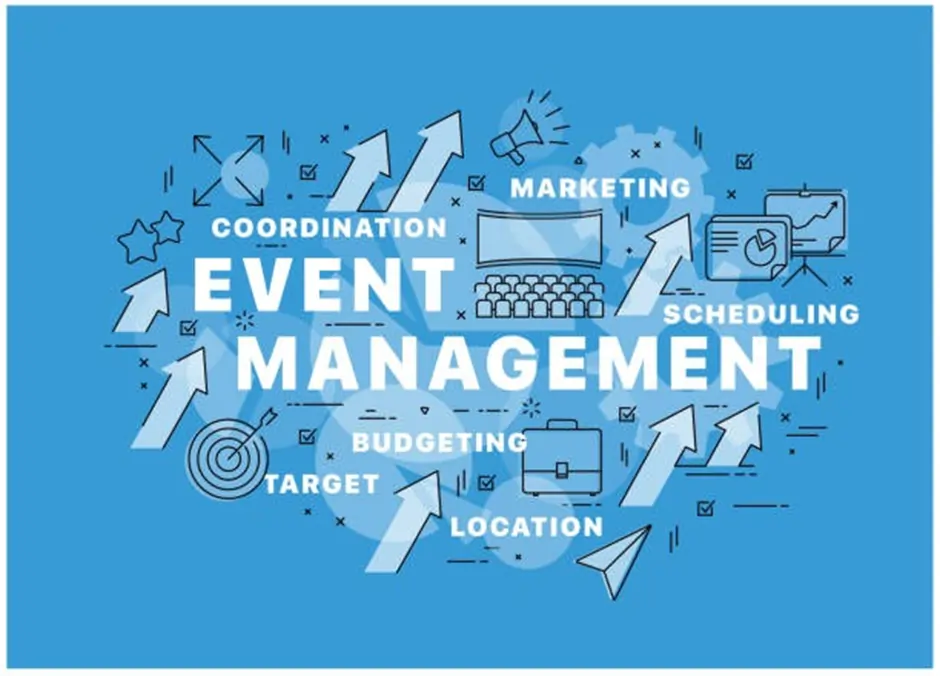
Event management best practices are structured planning standards that help organizers consistently deliver successful events. They are not trends or shortcuts. They are tested methodologies developed through years of operational experience across conferences, corporate events, exhibitions, and hybrid formats.
At a practical level, best practices translate into intentional decisions. Objectives are defined before marketing begins. Budgets include contingency reserves. Venues are selected based on attendee flow and technical capacity, not aesthetics alone. Rehearsals are scheduled well in advance. KPIs are tracked from registration through post-event follow-up.
The difference between reactive planning and professional planning is process.
Over time, the event industry has adopted principles from project management, customer journey design, and data analytics. Today, event success is measured through engagement metrics, lead generation performance, attendee satisfaction scores, sponsor retention rates, and return on investment. Structured execution increases predictability, and predictability improves outcomes.
Following event management best practices ensures that creativity is supported by control rather than replaced by it.
Why Event Management Best Practices Matter in 2026
The event landscape has evolved dramatically. Technology integration, sustainability requirements, and audience expectations have reshaped how events are planned and executed.
Hybrid formats now extend reach beyond physical venues. Mobile registration and digital badge scanning are standard. Real-time engagement analytics provide immediate insight into session attendance and participant interaction. At the same time, cybersecurity risks, data privacy concerns, and reputation sensitivity have increased. In this environment, structured planning is not optional.
Strong event management best practices help reduce operational risk and protect brand credibility. They support transparent budgeting and measurable performance tracking. Most importantly, they create consistent attendee experiences.
Attendees may not see your planning spreadsheet or contingency matrix. They do feel the difference between a well-executed event and a disorganized one.
In competitive industries where events influence brand perception, partnerships, and revenue, disciplined execution becomes a strategic advantage.
Pre-Event Planning Best Practices
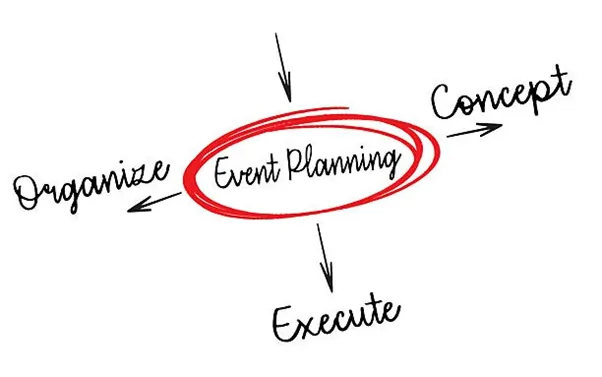
Pre-event planning determines whether execution feels controlled or chaotic. Most event failures are not caused by what happens on the event day, but by what was overlooked months earlier. The strongest event management best practices focus on clarity, structure, and disciplined preparation long before attendees arrive.
Best Practice #1: Define Clear Event Objectives and KPIs
Before selecting a venue or announcing dates, define what the event is meant to achieve. Without measurable goals, decisions become subjective and scattered.
Start by identifying the primary purpose. A B2B conference may focus on qualified lead generation. A leadership summit may prioritize team alignment. A product launch may aim for media visibility and brand awareness.
Once the objective is clear, translate it into measurable indicators.
| Objective | Sample KPI | Why It Matters |
|---|---|---|
| Lead Generation | Number of qualified leads | Connects directly to revenue |
| Brand Awareness | Media mentions, impressions | Measures exposure impact |
| Engagement | Session attendance rate | Indicates content relevance |
| Sponsor Value | Sponsor renewal rate | Reflects partnership success |
KPIs provide direction during planning and clarity during post-event reporting. They influence agenda design, marketing channels, sponsorship pricing, and even venue size.
Professional event management best practices always define success before planning begins.
Best Practice #2: Create a Comprehensive Event Budget Early
Budget problems rarely begin with overspending. They usually begin with underplanning.
A structured event budget maps all expected costs before commitments are made. Major expense categories typically include venue, catering, production and AV, marketing, staffing, technology, and attendee experience elements.
A contingency reserve should always be included. Industry planning standards often recommend keeping approximately 15 to 20 percent unallocated to absorb unexpected changes. Weather shifts, technical upgrades, or last-minute vendor adjustments are common realities.
Budget discipline improves decision-making. If marketing needs additional funds, planners can reallocate from a lower-impact category instead of reacting under pressure.
The key principle behind strong event management best practices is financial visibility. When numbers are transparent, trade-offs become strategic rather than emotional.
Best Practice #3: Develop a Detailed Event Timeline
Time compression creates risk. A structured timeline prevents last-minute chaos.
The most effective planning approach is backward scheduling. Begin with event day and move in reverse, identifying milestones that must be completed beforehand.
For example:
| Timeline Phase | Priority Focus |
|---|---|
| 12 Months Out | Secure venue, confirm budget |
| 6 Months Out | Launch marketing, secure keynote speakers |
| 3 Months Out | Finalize vendors, confirm agenda |
| 1 Month Out | Rehearsals scheduled, logistics locked |
| Final Week | Final confirmations, contingency review |
Dependencies should also be identified. Marketing cannot begin before branding approval. Production design may depend on finalized session formats. Recognizing these relationships prevents bottlenecks.
Professional planners allow buffer time, especially for approvals and vendor coordination. Even small delays can compound quickly. A well-structured timeline transforms planning from reactive to predictable.
Professional Event Management in Singapore and Malaysia
MICE Makers delivers strategic, end-to-end event management services across Singapore and Malaysia, supporting corporate conferences, incentive programs, exhibitions, product launches, and hybrid events. With strong regional expertise and established vendor networks in both destinations, we manage every detail from venue sourcing and production setup to logistics coordination and attendee experience design. Whether hosting an executive summit in Singapore or a large-scale corporate gathering in Malaysia, our team ensures seamless execution, controlled budgets, and measurable results aligned with your business objectives.
Best Practice #4: Select the Right Event Venue Strategically
Venue selection influences attendance, experience quality, and operational flow. Capacity must realistically align with projected turnout. Too small creates discomfort. Too large reduces the atmosphere. Layout should support session transitions, sponsor visibility, and networking movement.
Location convenience also affects registration rates. Accessibility, nearby accommodation, public transport options, and parking availability contribute directly to attendee satisfaction.
When reviewing contracts, attention should focus on details that often go unnoticed, such as setup windows, breakdown times, overtime fees, and service bundling terms.
For hybrid formats, infrastructure becomes even more critical. Internet bandwidth, streaming capability, and technical redundancy must be confirmed in advance.
Strong event management best practices evaluate venues based on operational compatibility, not aesthetics alone.
Best Practice #5: Build a Strong Event Team with Clear Roles
Events fail when responsibilities overlap or remain unclear. Role clarity ensures accountability. An effective event team typically includes leadership overseeing strategy, operations managing logistics, marketing handling promotion, sponsorship managing partners, and production supervising technical delivery.
Instead of relying on informal coordination, document responsibilities in writing. Each team member should know:
- What decisions they own
- What requires approval
- How issues are escalated
- How communication flows across departments
When vendor teams are included early in planning discussions, integration improves and surprises decrease.
Among all event management best practices, role clarity remains one of the simplest yet most powerful.
Best Practice #6: Leverage Event Management Technology
Modern events rely heavily on integrated systems. Registration platforms, CRM databases, email automation tools, and engagement apps must connect seamlessly. This integration improves data tracking and reduces manual workload.
Automation should support administrative tasks such as confirmation emails, reminders, digital ticket generation, and post-event surveys. When routine processes are automated, teams can focus on attendee experience.
Technology decisions should be intentional rather than excessive. The objective is a cohesive system that improves accuracy and visibility.
Data-driven event management best practices depend on reliable technology infrastructure.
Best Practice #7: Create a Risk Management and Contingency Plan
Even the most carefully planned events face uncertainty. Common risks include speaker cancellations, equipment failure, low turnout, extreme weather, or internet disruption. The absence of a contingency plan turns small problems into large crises.
A practical approach includes identifying likely scenarios, assessing potential impact, and pre-assigning response responsibilities. Backup speakers, spare microphones, secondary internet access, and clear emergency contact lists should be organized in advance.
Insurance coverage should also be reviewed where applicable. Risk planning is not about expecting failure. It is about protecting stability.
Well-executed event management best practices ensure that when something unexpected happens, the response feels controlled rather than chaotic.
Marketing and Promotion Best Practices
Even the most well-planned event will underperform without strong promotion. Marketing determines not only attendance numbers, but also attendee quality, sponsor value, and overall ROI.
Effective event management best practices treat marketing as a strategic campaign, not an afterthought. Promotion should begin as soon as objectives and positioning are clear.
Best Practice #8: Develop a Multi-Channel Marketing Strategy
Relying on one channel limits reach. High-performing events use a coordinated marketing mix tailored to their audience.
Start by defining who you want in the room. A corporate leadership summit requires executive-level messaging. A startup conference needs messaging that highlights innovation and networking opportunities.
Once the audience is defined, select channels strategically. For B2B events, LinkedIn campaigns and email marketing often outperform general social platforms. For consumer-facing events, Instagram, influencer partnerships, and community engagement may be stronger drivers.
Instead of broadcasting identical messages everywhere, adapt content per channel while maintaining consistent positioning.
A simple marketing framework often includes:
| Channel | Purpose | Typical Use |
|---|---|---|
| Email Marketing | Direct conversion | Early bird and reminder campaigns |
| Social Media | Awareness and engagement | Speaker highlights, countdown posts |
| Paid Ads | Targeted reach | Lookalike audiences and retargeting |
| Partnerships | Credibility boost | Industry associations, sponsors |
Marketing timelines should follow phases: awareness, consideration, and conversion. Early campaigns build recognition. Mid-phase messaging highlights agenda value. Final-phase reminders create urgency.
Coordinated messaging increases registration efficiency and reduces reliance on last-minute promotions.
Best Practice #9: Optimize the Event Registration Process
Registration is the first direct interaction attendees have with your event. If the process feels complicated, drop-off rates increase.
Keep forms concise. Only request essential information during initial registration. Additional details can be collected later if needed.
Clear pricing structure also improves conversion. Tiered pricing models such as early bird, standard, and last-call rates create urgency and reward early commitment.
Mobile responsiveness is critical. A significant portion of registrations now occur on smartphones. Slow-loading pages or confusing layouts reduce trust instantly.
Small improvements in user experience often produce measurable gains in registration rates. Even simplifying the checkout interface or clarifying refund policies can reduce friction.
Strong event management best practices prioritize clarity over complexity in every registration touchpoint.
Best Practice #10: Implement Strategic Email Marketing Campaigns
Email remains one of the highest-performing channels for event promotion.
Rather than sending occasional announcements, build a structured email sequence. A typical campaign may include:
- Launch announcement
- Speaker reveal
- Agenda highlights
- Sponsor spotlight
- Early bird reminder
- Final registration push
Segmentation increases effectiveness. Previous attendees, VIP guests, and first-time prospects should not receive identical messaging. Personalized subject lines and relevant content significantly improve open and click-through rates.
Calls to action should be direct and benefit-focused. Instead of simply saying “Register Now,” explain why registration matters. Highlight networking access, limited seating, or exclusive content.
Consistent communication maintains momentum and prevents audience fatigue.
Best Practice #11: Leverage Social Media for Maximum Reach
Social media amplifies event visibility beyond traditional marketing lists.
Instead of generic promotional posts, focus on storytelling. Introduce speakers with short insights. Share behind-the-scenes preparation moments. Publish countdown content that builds anticipation.
Develop a consistent event hashtag early. Encourage speakers, sponsors, and attendees to use it. This consolidates conversation and increases organic reach.
During promotion and execution, engagement matters more than broadcasting. Responding to comments, resharing attendee posts, and highlighting user-generated content strengthens community feeling.
Social media is not just promotional. It is interactive.
Integrated into broader event management best practices, it becomes a growth engine that extends far beyond event day.
Attendee Experience Best Practices

An event can have flawless logistics and still fall flat if the attendee experience is weak. Experience determines whether people stay engaged, return next year, recommend the event, or ignore future invitations.
Strong event management best practices always prioritize how attendees feel before, during, and after the event.
Best Practice #12: Design Engaging Event Content and Agenda
Content is the core of any event. If sessions lack relevance, even premium venues and strong marketing cannot compensate.
Begin by aligning the agenda with audience expectations and event objectives. A sales conference should focus on pipeline acceleration and closing strategies. A tech summit should emphasize innovation and future trends.
Variety also matters. Long lecture-style sessions often reduce attention span. Mixing formats keeps energy balanced. Consider combining:
- Keynotes for inspiration
- Panels for diverse perspectives
- Workshops for hands-on engagement
- Fireside chats for intimate discussion
Speaker preparation is equally important. Brief speakers thoroughly on audience profile, time limits, and event positioning. Encourage interactive elements like Q&A segments or live polling to increase participation.
When designing content, think from the attendee perspective. Ask: If I am spending time and money to attend, what insight will I gain that I cannot get elsewhere?
That mindset elevates programming quality significantly.
Best Practice #13: Prioritize Accessibility and Inclusivity
Professional event management best practices ensure that every participant feels welcomed and accommodated.
Accessibility goes beyond compliance. It demonstrates respect. Consider venue access, seating arrangements, screen visibility, and sound clarity. For larger conferences, provide clear signage and easy navigation. Offer dietary alternatives and clearly label catering options.
Inclusivity also includes language sensitivity, cultural awareness, and diverse speaker representation. If hosting international audiences, consider translation options or multilingual support materials.
Even small adjustments, such as clear instructions, flexible seating, or quiet break areas, can meaningfully improve comfort for attendees.
An inclusive event experience expands reach and strengthens reputation.
Best Practice #14: Create Seamless On-Site Registration and Check-In
First impressions often form at the entrance. Long lines, unclear instructions, or delayed badge printing create immediate frustration. On the other hand, a smooth check-in process sets a positive tone for the entire event.
Digital systems such as QR codes or pre-generated badges can significantly speed up registration. Dedicated lanes for pre-registered guests, VIP attendees, and walk-ins reduce congestion.
Staff training is critical here. Front-desk teams should be briefed on procedures, escalation paths, and troubleshooting steps. Polite communication and confident handling of issues reinforce professionalism.
Queue management also deserves attention. Clear signage, structured lines, and staff assistance prevent confusion.
A well-designed check-in experience reflects disciplined event management best practices in action.
Corporate Events Designed for Impact Across Southeast Asia
With operations in Singapore and Malaysia, MICE Makers provides tailored corporate event solutions that combine creativity with structured planning. We align each event with clear strategic goals, integrating technology, on-site coordination, and data-driven reporting to deliver experiences that engage audiences and strengthen brand reputation. Our regional presence allows clients to choose the right destination while maintaining consistent service quality, operational precision, and professional delivery from concept to post-event evaluation.
Best Practice #15: Enhance Networking Opportunities
Many attendees register primarily for networking. Rather than leaving interaction to chance, build it intentionally into the agenda. Structured networking sessions, guided introductions, and moderated breakout discussions create more meaningful connections.
Technology can support this goal. Event apps that allow profile browsing or interest-based matchmaking encourage conversation before and during the event.
Physical layout also influences networking. Open lounge spaces, clearly labeled meeting zones, and comfortable seating areas promote informal discussions.
Networking is not just a side activity. For many corporate events, it is the primary value driver.
Best Practice #16: Provide Exceptional Customer Service
Customer service shapes perception. From the moment attendees register until post-event follow-up, responsiveness matters. Questions about tickets, accommodations, or agenda details should receive timely and clear responses.
During the event, staff visibility is essential. Attendees should easily identify who to approach for help. Brief staff on common scenarios and give them authority to resolve minor issues quickly.
Real-time feedback mechanisms, such as short in-app surveys or quick check-in questions during breaks, allow planners to adjust quickly if something needs improvement.
Exceptional service does not require perfection. It requires attentiveness and professionalism.
Among all event management best practices, attendee care remains the one that participants remember most.
Event Execution Best Practices
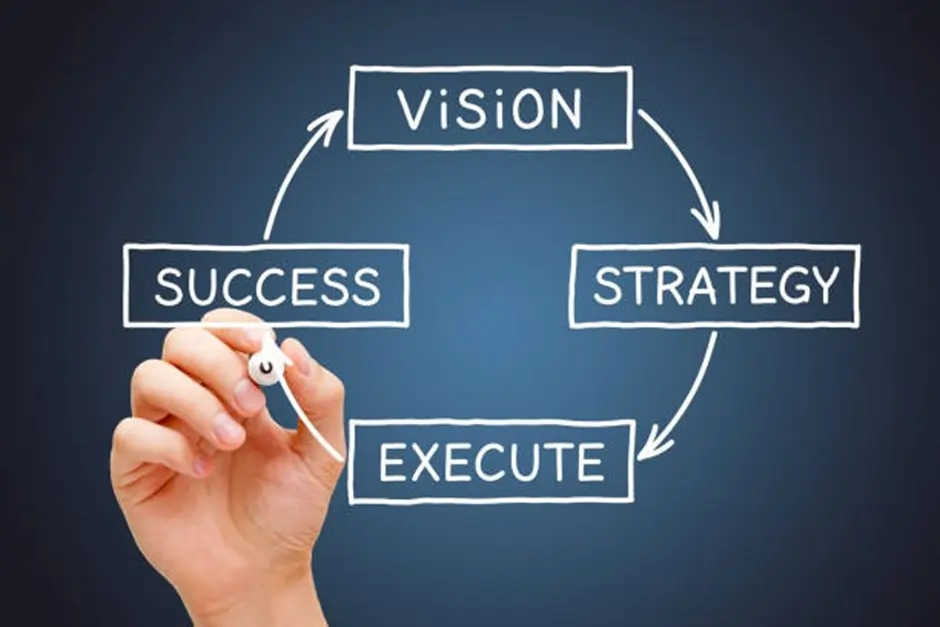
Planning builds the structure. Execution tests it.
Even well-designed events can struggle if real-time coordination is weak. Event day requires precision, calm leadership, and structured communication. Strong event management best practices ensure that preparation translates smoothly into delivery.
Best Practice #17: Conduct Thorough Rehearsals and Run-Throughs
Rehearsals prevent public mistakes. Technical rehearsals should never be optional, especially for conferences, product launches, and hybrid events. Audio levels, lighting cues, presentation slides, video transitions, and live streaming feeds must be tested in the actual venue environment.
Speakers benefit from run-through sessions as well. Confirm timing, presentation format, microphone preferences, and stage flow. A five-minute timing adjustment may seem small during planning but can affect the entire schedule on event day.
Staff walk-throughs are equally important. Registration procedures, emergency routes, and session transitions should be reviewed together. When teams physically move through the space before attendees arrive, coordination improves significantly.
Execution confidence comes from rehearsal, not improvisation.
Best Practice #18: Implement Real-Time Event Monitoring
Once the event begins, visibility becomes critical. Professional event management best practices recommend establishing a central coordination point, often referred to as a command center. From here, core team members monitor schedules, speaker arrivals, vendor performance, and attendee flow.
Communication systems must be streamlined. Internal messaging apps, radios, or structured group chats help maintain fast coordination. Clear escalation protocols allow issues to be resolved quickly without confusion.
Real-time monitoring should also include engagement tracking. If a session room is underfilled or an activity generates high demand, adjustments can be made immediately rather than after the event ends.
The goal is proactive oversight, not reactive problem solving.
Best Practice #19: Ensure Smooth Logistics and Operations
Logistics determine whether the event feels effortless or disorganized. Vendor coordination must be tightly managed. Catering delivery times, stage setup, signage placement, sponsor booth installation, and cleaning schedules should be confirmed early and rechecked on event day.
Clear wayfinding improves attendee comfort. Signage should be visible, consistent, and positioned at natural decision points. Confused attendees often experience unnecessary frustration even if the rest of the event is well executed.
Transportation and parking arrangements must align with schedule flow. For larger conferences, staggered arrival times or shuttle coordination can prevent congestion.
Catering timing is particularly sensitive. Breaks that start late or food stations that run out too quickly create dissatisfaction. Monitoring supply levels and service pacing helps maintain balance.
Strong operational control is one of the most visible reflections of disciplined event management best practices.
Post-Event Best Practices
For many organizations, the event feels “finished” once the venue lights turn off. In reality, some of the most important work begins afterward.
Post-event strategy determines whether the event becomes a one-time gathering or a long-term growth engine. Strong event management best practices extend well beyond event day into measurement, reporting, and relationship building.
Best Practice #20: Measure Success Through Comprehensive Analytics
If objectives were defined clearly at the beginning, measurement becomes straightforward.
Start by reviewing KPIs tied to your original goals. Compare projected targets with actual results. Look at attendance rates, engagement metrics, sponsor performance, and lead quality rather than focusing only on total registrations.
A structured reporting framework often includes:
| Measurement Area | Example Metrics |
|---|---|
| Attendance | Registration-to-attendance ratio |
| Engagement | Session fill rate, app interactions |
| Satisfaction | Post-event survey scores |
| Marketing | Cost per registration, conversion rates |
| Revenue | Sponsorship income, ticket sales |
| Sales Impact | Qualified leads, closed deals |
ROI calculation may combine revenue generated, brand exposure value, and long-term pipeline impact. For corporate events, internal engagement and retention improvements can also be meaningful indicators.
Collect feedback quickly. Survey responses are highest within 48 hours of the event. Ask focused questions about content relevance, logistics quality, and overall experience.
Data-driven reporting is one of the most powerful event management best practices because it transforms subjective opinions into measurable insight.
Post-Event Follow-Up and Relationship Building
An event creates attention. Follow-up converts attention into value. Timely thank-you emails reinforce professionalism. These communications should not only express appreciation but also provide session recordings, presentation slides, or key takeaways when appropriate.
Lead nurturing sequences should begin immediately for sales-driven events. Segment prospects based on session attendance, engagement behavior, or expressed interests.
Content repurposing strengthens visibility. Keynote clips, highlight reels, and written summaries can extend reach across social media and email channels. A single well-executed event can produce months of promotional content.
Community building may include private networking groups, early-access invitations for future events, or alumni-style engagement initiatives. When attendees feel part of a larger ecosystem, retention improves significantly.
Event management best practices focus on lifetime value, not just event-day experience.
Conduct a Thorough Post-Event Debrief

Internal review ensures continuous improvement. Within a week of the event, gather core team members and review what worked and what did not. Evaluate vendor performance, communication flow, and timeline accuracy. Document lessons learned while details remain fresh.
Key discussion areas may include:
- Were objectives achieved?
- Where did delays occur?
- Which sessions performed best?
- What attendee feedback repeated most often?
- Were contingency plans effective?
This documentation should be stored centrally and referenced during future planning cycles. Continuous refinement is what transforms good events into exceptional ones.
Sustainability and Innovation Best Practices

Modern events are judged not only by experience quality and ROI, but also by environmental responsibility and technological relevance. Sustainability and innovation are no longer optional enhancements. They are core strategic considerations.
Professional event management best practices evolve continuously, adapting to industry shifts and audience expectations.
Implement Sustainable Event Practices
Sustainability begins during early planning, not as a last-minute adjustment. Reducing environmental impact can start with venue selection. Choosing locations with strong public transport access reduces carbon footprint. Digital ticketing and mobile agendas minimize paper waste. Reusable signage and eco-friendly materials help limit single-use products.
Catering decisions also play a major role. Working with vendors that prioritize local sourcing reduces transportation emissions. Offering plant-forward menu options can significantly reduce environmental impact compared to meat-heavy catering.
Waste management should be structured intentionally. Clear recycling stations, minimized packaging, and donation plans for surplus food demonstrate responsible planning.
Hybrid formats can also support sustainability. Offering virtual attendance options reduces travel requirements while expanding reach.
Sustainable event management best practices strengthen brand reputation and align with corporate social responsibility goals.
Stay Current with Event Technology Trends
Innovation drives engagement and efficiency. Artificial intelligence is now influencing attendee matchmaking, personalized agenda recommendations, and predictive attendance forecasting. Automation tools streamline registration, email segmentation, and real-time reporting.
Virtual and augmented reality applications are increasingly used for immersive sponsor showcases or product demonstrations. Live streaming technologies allow global participation while maintaining production quality.
Data analytics continues to refine personalization. By analyzing attendee behavior, planners can tailor content delivery, optimize room allocation, and improve sponsor placement decisions.
However, innovation should serve purpose, not novelty. Technology must enhance experience and measurable outcomes rather than distract from them.
Consistent evaluation of emerging tools ensures that event management best practices remain competitive and forward-thinking.
Conclusion
Great events do not happen by accident. They are the result of structured planning, disciplined execution, and thoughtful follow-through. The event management best practices outlined in this professional playbook provide a complete framework, from defining measurable objectives and building realistic budgets to designing meaningful attendee experiences and analyzing performance after the event ends. When each stage is handled with intention, risks decrease and outcomes become more predictable.
In a competitive and fast-evolving landscape, consistency is what separates occasional success from sustained impact. Organizations that apply event management best practices consistently see stronger engagement, improved ROI, and higher repeat attendance. Use this guide as a working reference for every planning cycle, refine it with each event, and turn proven processes into your long-term competitive advantage.
FAQs About Event Management Best Practices
The most important event management best practices include defining clear objectives, setting measurable KPIs, building a structured budget, creating a detailed timeline, preparing contingency plans, using event technology effectively, and conducting post-event analytics. These practices reduce operational risk and improve overall event ROI.
Event success is measured by comparing predefined KPIs with actual outcomes. Key indicators often include attendance rate, engagement metrics, attendee satisfaction scores, sponsor performance, lead generation quality, and revenue impact. ROI calculations may combine direct income and long-term business value.
One of the most common mistakes is failing to define measurable objectives at the beginning. Without clear goals, budgeting, marketing, and content planning become disconnected. This often results in weak performance tracking and unclear event impact.
Planning timelines depend on event scale. Large conferences typically require 9 to 12 months of preparation. Mid-sized corporate events may need 4 to 6 months. Smaller internal meetings can sometimes be planned within 6 to 8 weeks. The key is allowing enough time for venue booking, marketing, and vendor coordination.
Essential tools often include an online registration system, CRM integration, email marketing automation, event apps for engagement, badge scanning tools, and analytics dashboards. These systems improve efficiency, data tracking, and attendee experience.
Handling emergencies requires advance risk planning. Identify possible scenarios such as speaker cancellations, technical failures, or weather disruptions. Assign responsibilities, prepare backup solutions, and establish clear communication protocols. Contingency planning is a core part of event management best practices.
A successful corporate event aligns with business objectives, delivers high-quality content, offers meaningful networking opportunities, and provides measurable ROI. Strong execution, smooth logistics, and clear follow-up strategy also play major roles.
Event budgets vary widely depending on size, location, format, and objectives. As a general planning principle, allocate major portions to venue, production, and catering. Always include a 15 to 20 percent contingency reserve to manage unexpected expenses without compromising quality.