

Sustainable MICE events in Singapore are no longer optional. They are the new standard. Singapore’s Tourism Board (STB) and SACEOS have set clear targets: all six purpose-built MICE venues are now certified, and over 80% of industry members have achieved sustainability certification as of 2025. If your next conference, incentive trip, or teambuilding event is in Singapore, this guide gives you the 10 most practical tips to make it genuinely green, from venue selection to post-event reporting.
Why Does Sustainability Matter for MICE Events in Singapore?
Sustainability matters for MICE events in Singapore because it is now a business requirement, not just a preference. Corporate clients, global delegates, and government bodies increasingly evaluate event organisers on their environmental performance.
Singapore ranked second in Asia-Pacific on the Global Destination Sustainability Index, according to Meetings & Conventions Asia (2026). The city aims to achieve net-zero MICE emissions by 2050 under its Green Plan 2030. For HR managers, executive assistants, and event agencies planning events here, ignoring sustainability now means falling behind both client expectations and regulatory direction.
Beyond compliance, green events consistently deliver two real business benefits:
- Lower costs through reduced waste and energy use
- Stronger brand perception among delegates and clients
What Is a Sustainable MICE Event?
A sustainable MICE event minimises environmental impact, supports local communities, and delivers measurable social or economic value beyond the event itself. The term covers three pillars: environmental (carbon, waste, energy), social (community benefit, inclusion, local procurement), and economic (vendor diversity, local employment).
Singapore’s MICE Sustainability Certification (MSC) Framework, launched in January 2024 and recognised by the Global Sustainable Tourism Council in November 2024, gives event planners a clear standard to work toward.
10 Tips for Planning Sustainable MICE Events in Singapore
Tip 1: Choose a Certified Green Venue
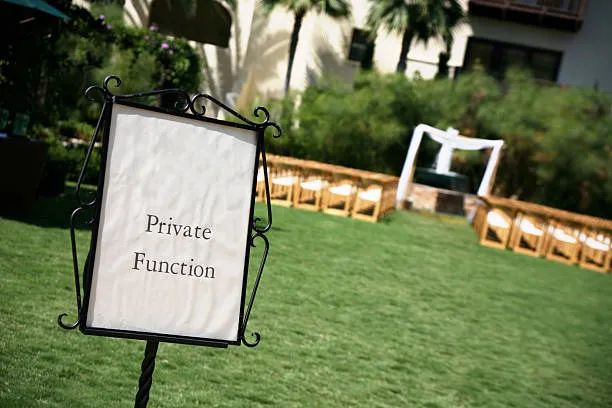
Start with the venue. Singapore’s six purpose-built MICE venues, including Suntec Singapore, Marina Bay Sands Expo, and Singapore EXPO, all hold internationally recognised sustainability certifications. Book from this group first.
When comparing venues, ask specifically about:
- ISO 20121 event sustainability management certification
- Green Mark ratings (Singapore’s own green building standard)
- On-site solar panels, rainwater harvesting, or LED lighting
What works in practice: venues with on-site waste management programs can cut event waste costs by 20–30%, based on typical event planning experience.
Tip 2: Measure Carbon Before You Plan
Most event planners skip this step, and it costs them later. Calculate your event’s estimated carbon footprint before confirming your supplier list. NUS’s Carbon Footprint Calculator for MICE events in Singapore covers the three biggest emission sources: transportation, hotel accommodation, and on-site activities.
Once you have a baseline, you can:
- Prioritise venues within walking distance of delegate hotels
- Choose local suppliers over international ones
- Offset residual emissions through certified programs
Corporations that use advanced booking algorithms and virtual attendance options cut travel-related emissions by up to 27%, according to Mordor Intelligence’s 2026 Asia-Pacific MICE market report.
Tip 3: Source Local Food and Beverages

Catering is one of the highest-impact areas in any MICE event. Locally sourced food reduces transport emissions, supports Singapore’s food security goals, and gives delegates an authentic cultural experience.
Practical steps:
- Ask caterers for a local sourcing percentage, aiming for 60% or more
- Reduce meat-heavy menus; plant-based options generate significantly lower emissions
- Use reusable crockery and remove single-use plastic entirely
- Donate surplus food to registered food banks such as Food from the Heart
This approach also aligns with Singapore’s Zero Waste Masterplan targets, which event clients increasingly reference in their event briefs.
Tip 4: Build a Hybrid or Virtual Attendance Option
Hybrid events blend in-person and online participation, reducing the number of long-haul flights required. This is the single most effective way to reduce delegate travel emissions at scale.
For international conferences and incentive programs, building a hybrid layer means:
- Speakers can present remotely without flying in
- Smaller regional groups attend live; global audiences join online
- You reach a larger audience without increasing your carbon footprint
Singapore’s event technology ecosystem is strong. Platforms like Zoom Events, Hopin, and local AV providers support multilingual hybrid setups. Real-time translation tools have made multilingual engagement standard practice at Singapore MICE events in 2025 and 2026.
Tip 5: Apply a Zero-Waste Event Framework
Zero waste does not mean zero waste literally. It means diverting at least 90% of event waste from landfill. A practical zero-waste framework for MICE events in Singapore covers four stages.
Before the event:
- Go digital: e-invites, QR-code agendas, and digital name badges
- Order collateral and merchandise in exact quantities, with no surplus
During the event:
- Use clearly labelled recycling and composting stations
- Brief all catering and operations staff on waste protocols
After the event:
- Measure total waste generated and diverted
- Report the figures to your client as part of your event debrief
Waste reduction checklist:
| Action | Estimated Impact |
|---|---|
| Digital agenda instead of printed | Saves 1–2 kg of paper per 100 delegates |
| Reusable lanyards and badge holders | Eliminates ~150g of plastic per delegate |
| No single-use water bottles | Saves ~500ml PET plastic per person per day |
| Food donation of surplus | Diverts 30–50% of F&B waste from landfill |
| On-site recycling stations | Increases recycling rate by 15–25% |
Planning a Sustainable Event in Singapore? MICE Makers Can Help.
At MICE Makers, we have been organizing corporate events, conferences, and teambuilding programs in Singapore and Malaysia since 2005. We handle everything from venue sourcing and catering coordination to CSR team-building and post-event sustainability reporting, so your team can focus on the agenda, not the logistics. Whether you are planning for 20 people or 1,000, we build programs that meet your sustainability goals and impress your delegates.
Tip 6: Choose Hotels With Green Certifications
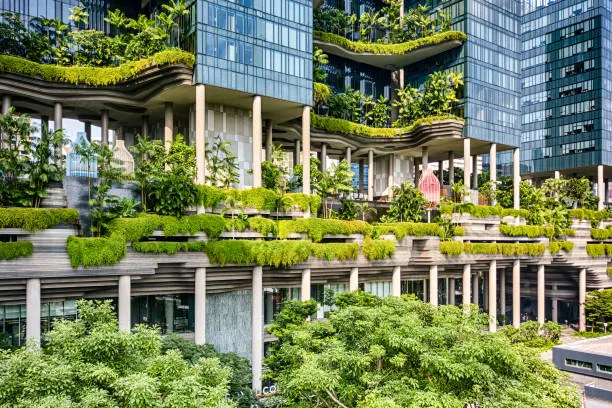
Accommodation makes up 31.92% of MICE revenue share in Asia-Pacific, according to Mordor Intelligence (2026). For large groups, the hotel choice has an outsized environmental impact.
Singapore has exceeded its sustainability target here: over 73% of hotel room stock now holds internationally recognised sustainability certification, surpassing the 60% target set for December 2025, per Meetings & Conventions Asia (2026).
When recommending hotels for delegates:
- Filter for BCA Green Mark Gold or higher
- Prioritise hotels within 1 km of your venue to reduce ground transport
- Ask hotels for their per-room energy consumption and water usage data
For incentive trips with premium groups, properties like Marina Bay Sands, Pan Pacific Orchard, and Capella Singapore lead on both sustainability credentials and delegate experience.
Tip 7: Offset What You Cannot Eliminate
Carbon offsetting is not a substitute for reduction, but it is a legitimate tool for residual emissions you genuinely cannot avoid. Use certified offset programs only.
Recommended offset frameworks for Singapore-based events:
- Gold Standard: globally recognised, project-verified
- Verified Carbon Standard (VCS): accepted by most corporate ESG teams
- Singapore-based tree planting programs: preferred for local brand alignment
Build the offset cost into your event budget from the start. For a 200-person conference, residual offset costs typically range from S$500 to S$2,000 depending on the event’s carbon profile.
Tip 8: Prioritise Local and Minority-Owned Suppliers
Sustainable MICE events address social sustainability, not just environmental. Singapore’s diverse supplier ecosystem makes local procurement straightforward.
Practical moves:
- Use Singaporean-owned teambuilding companies, AV suppliers, and caterers
- Include women-owned or minority-owned businesses in your RFP list
- Avoid large international chains where a comparable local option exists
This also has a direct SEO and PR value for your client: many corporate ESG reports now include supplier diversity metrics, and an event that strengthens that data point gets remembered.
Tip 9: Measure, Report, and Improve
What gets measured gets managed. After the event, produce a short sustainability report covering:
- Total carbon footprint (use the STB/NUS calculator for benchmarking)
- Waste generated and diverted
- Local procurement percentage
- Community benefit activities (CSR teambuilding outputs, donations)
Clients who receive a clear post-event sustainability summary are significantly more likely to rebook. This is one area where most event agencies still underperform, which makes it a strong differentiator.
Format the report as a one-page PDF or infographic, something the client’s sustainability team can include in their ESG report directly.
Tip 10: Embed CSR Activities Into the Program
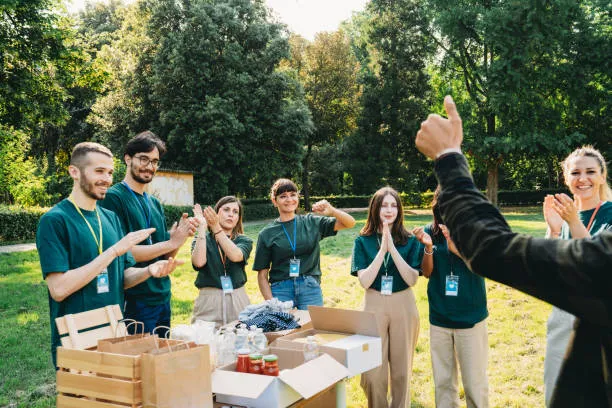
Corporate Social Responsibility (CSR) teambuilding activities turn passive attendees into active contributors. They add purpose to the event, generate strong delegate sentiment, and directly benefit Singapore’s local communities.
Popular CSR teambuilding formats for MICE groups in Singapore include:
- Building bicycles or school kits for underprivileged children
- Urban garden planting and harvesting sessions
- Coastal clean-up activities at Sentosa or East Coast Park
- Digital skills workshops for seniors
At MICE Makers, we design CSR teambuilding programs for groups from 20 to 1,000+ people. These sessions are fully facilitated, logistically managed, and can be paired with your conference, incentive trip, or corporate retreat.
Sustainable MICE Events: Comparison Table
| Sustainability Action | Difficulty | Cost Impact | Environmental Impact |
|---|---|---|---|
| Certified green venue | Low | Neutral | High |
| Carbon footprint measurement | Low | Low cost | High |
| Local F&B sourcing | Medium | Low cost | Medium |
| Hybrid attendance option | Medium | Moderate investment | Very high |
| Zero-waste framework | Medium | Cost saving | High |
| Green-certified hotel | Low | Neutral | High |
| Carbon offsetting | Low | Low cost | Medium |
| Local supplier procurement | Medium | Neutral | Medium |
| Post-event reporting | Low | Low cost | Medium |
| CSR teambuilding | Low | Low to moderate | High |
Ready to Plan Your Next Green Corporate Event?
Use our free Event Builder to describe your event in minutes. Tell us your group size, location, and goals, and our team will send you a tailored proposal with green-certified venue options, CSR activity ideas, and a full cost breakdown. No commitment. No lengthy forms. Just fast, expert advice from a team that knows Singapore and Malaysia inside out.
FAQ: Sustainable MICE Events in Singapore
A sustainable MICE event in Singapore uses certified green venues, minimises waste, sources food locally, reduces delegate travel through hybrid options, and measures its carbon footprint against Singapore's MSC Framework standards.
Not necessarily. Many sustainable practices, such as going digital, reducing catering waste, and sourcing locally, actively lower costs. Carbon offsetting and green venue premiums are typically small relative to total event budgets.
All six purpose-built MICE venues in Singapore hold internationally recognised sustainability certifications, including Suntec Singapore Convention and Exhibition Centre, Marina Bay Sands Expo and Convention Centre, Singapore EXPO, Resorts World Convention Centre, Raffles City Convention Centre, and Changi Exhibition Centre.
The MSC Framework is a national certification standard launched by the Singapore Tourism Board in January 2024 and recognised by the Global Sustainable Tourism Council. It provides event organisers with a verified pathway to demonstrate sustainability credentials for their events.
Use the Carbon Footprint Calculator for MICE Events developed by NUS Singapore, which covers transportation, accommodation, and on-site activity emissions. The Singapore Tourism Board also provides supporting tools and guidance through its MICE sustainability roadmap resources.
Yes. CSR teambuilding activities directly address the social pillar of event sustainability. They generate measurable community outcomes that can be included in post-event sustainability reports for corporate ESG documentation.
Conclusion
Planning sustainable MICE events in Singapore is now one of the clearest ways to differentiate your events and meet the expectations of today’s corporate clients. Singapore’s infrastructure is already there: certified venues, robust frameworks, and a growing ecosystem of green suppliers make implementation practical, not theoretical.
Start with the basics: choose a certified venue, measure your carbon footprint early, and build a zero-waste plan. Then layer in local procurement, hybrid attendance, and CSR teambuilding to create events that deliver real value beyond the room.
MICE Makers has been delivering sustainable corporate events, teambuilding programs, and incentive trips in Singapore and Malaysia since 2005. If you want to plan a greener event without the complexity, talk to our team or use our Event Builder to get started.